
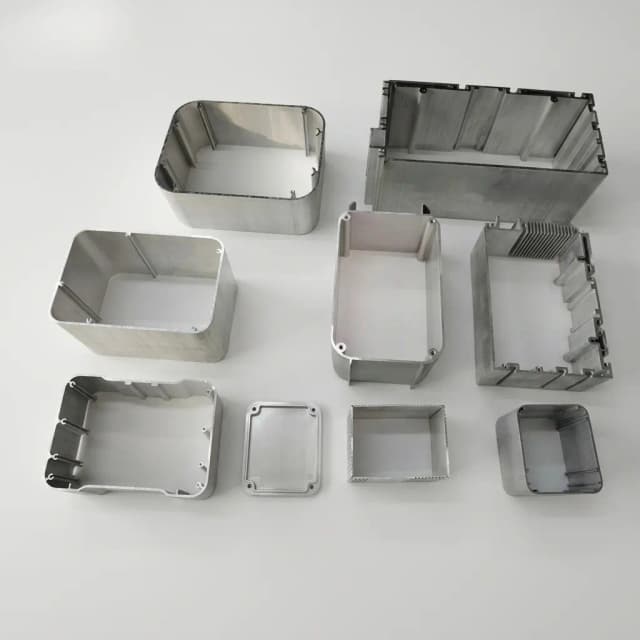
CTQ and GD&T Alignment
- Critical dimensions mapped before sample machining
- Datum scheme and GD&T interpretation clarified early
- Report scope tied to actuator assembly risk
Define inspection scope, report expectations, traceability, and NDA/IP handling before sample approval and batch production.
This page is written to provide B2B buyers with a transparent and actionable supplier qualification path. It covers how we align quality evidence during the RFQ stage to ensure seamless and risk-free mass production.

A quality plan should start before machining, not after a problem appears. Use this workflow to align what must be checked, what evidence will be shipped, and how production changes are controlled.
| Stage | Buyer Need | Control Point |
|---|---|---|
| RFQ and Drawing Intake | Baseline requirements before quote approval | Confirm drawing revision, CAD file, material grade, finish, datum scheme, GD&T notes, and critical-to-quality features. |
| Inspection Planning | Agreement on what will be checked and reported | Align inspection method, report format, sampling level, CMM or manual measurement expectation, and any customer-specific gauges. |
| First Article Review | Evidence before repeat production release | Use sample inspection records, marked drawing references, deviation notes, and approval status before moving to batch production. |
| In-Process Control | Reduced sample-to-batch drift | Map critical features to machining checkpoints, tool-wear checks, fixture references, and documented operator feedback. |
| Outgoing Release | Shipment evidence and traceable acceptance | Confirm final inspection scope, report package, material certificate requirements, labels, packing method, and shipment documentation. |
Report requirements affect machining time, inspection workload, and release evidence. Define the package early so quote, sample, and repeat-order expectations stay consistent.
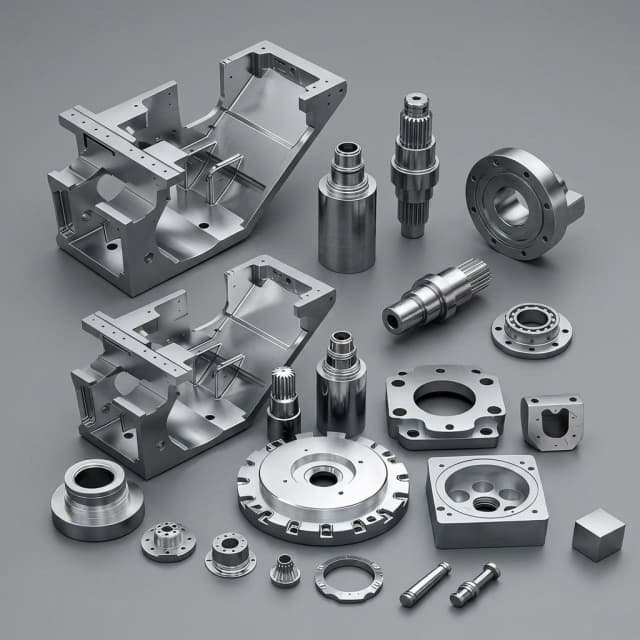
General actuator housings, shafts, brackets, pins, bushings, and multi-part packages.
Buyer action: Mark critical dimensions on the drawing and define report frequency before sample or batch release.
Bores, datum-related features, flatness, perpendicularity, positional tolerances, and complex housing geometry.
Buyer action: Confirm whether CMM reporting is required, which features are covered, and whether available equipment evidence is needed.
New drawings, supplier transfer programs, engineering changes, or production restart after revision changes.
Buyer action: Define the first-article package, approval flow, sample quantity, and deviation handling before order release.
Automotive-adjacent, automation, robotics, or controlled OEM programs that require formal production approval evidence.
Buyer action: State the required submission level and documents during RFQ so scope can be confirmed before quotation.
Traceability-sensitive shafts, rods, structural brackets, corrosion-resistant parts, and customer-specified materials.
Buyer action: Specify material standard, certificate expectation, heat number traceability needs, and any third-party document requirements.
Parts requiring anodizing, passivation, plating, polishing, heat treatment, hardness checks, or surface finish verification.
Buyer action: Define acceptance standard, masking requirements, finish-sensitive surfaces, packaging protection, and visual criteria.
Download Resources
Use these sample structures to align inspection and traceability expectations before quote approval. They help buyers specify what evidence should ship with samples or repeat orders.
A sample structure for feature IDs, nominal values, limits, measured results, methods, status, and deviation handling.
A sample structure for material grade, heat number, certificate review, production linkage, and buyer release notes.
A buyer-side checklist for drawing revision, material, finish, CTQ features, report scope, quantities, destination, and NDA handling.
These files are planning aids for RFQ and supplier qualification. They are not completed customer reports, certifications, calibration records, or production release evidence.
Custom actuator components often expose proprietary geometry, supplier-transfer history, or assembly architecture. Keep the commercial thread simple, but separate sensitive drawing exchange from public website content and casual sample requests.
To support your internal supplier qualification and audit processes, we prepare the following verification documents upon request:
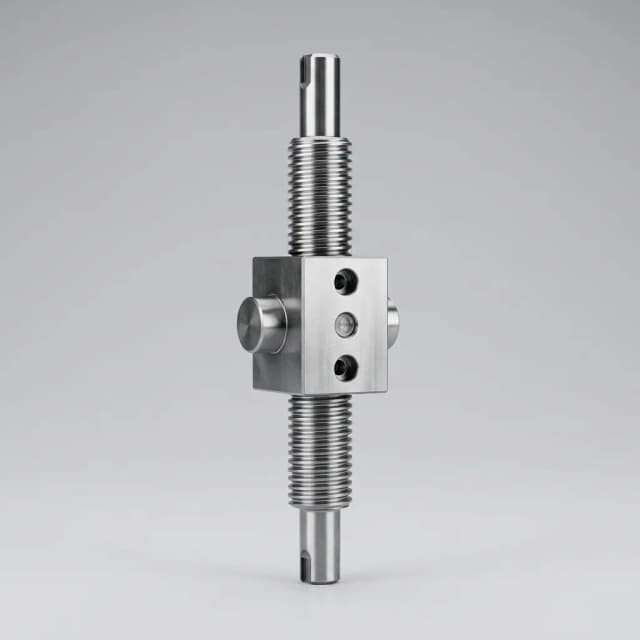
Housing bores, shaft bearing surfaces, threaded ends, mounting faces, finish-sensitive areas, and mating interfaces should not be treated as generic dimensions. They should be marked and reported according to actuator assembly risk.
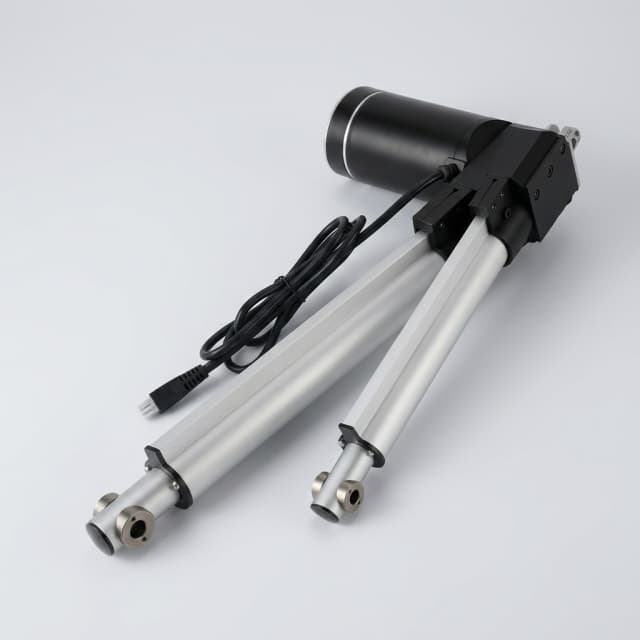
Housing bores, shaft bearing surfaces, threaded ends, mounting faces, finish-sensitive areas, and mating interfaces should not be treated as generic dimensions. They should be marked and reported according to actuator assembly risk.
Yes. CMM reporting is available for critical bores, datum features, flatness, and positional tolerances. Please define which dimensions require CMM verification during the RFQ stage so we can include it in the quality plan.
First article inspection can be planned for new drawings, supplier transfers, and engineering changes. PPAP, ISIR, or PSW scope must be defined during RFQ so the required submission level and document package can be confirmed.
The practical control is to connect sample approval to a documented production baseline: drawing revision, CTQ list, inspection method, report frequency, material evidence, and packing requirements.
Yes. If the drawing package is sensitive, include the NDA request in the first inquiry and keep detailed CAD exchange until the NDA path is agreed.
Send the drawing and CAD revision, material, finish, critical dimensions, GD&T notes, required report types, sample quantity, batch forecast, packaging requirement, and destination country.
Inquiry Email
Include drawings, material, finish, tolerances, quantity, and delivery location.