CapabilitiesCNC Machining Capabilities for Actuator Components
Review the machining, material, inspection, and export support scope before sending actuator component drawings for quotation.
We focus on evidence-driven engineering. This means validating drawings, tolerances, and inspection methods upfront, ensuring that what you approve in the prototype phase is exactly what you receive in mass production. We are a dedicated actuator component supplier for high-performance applications.
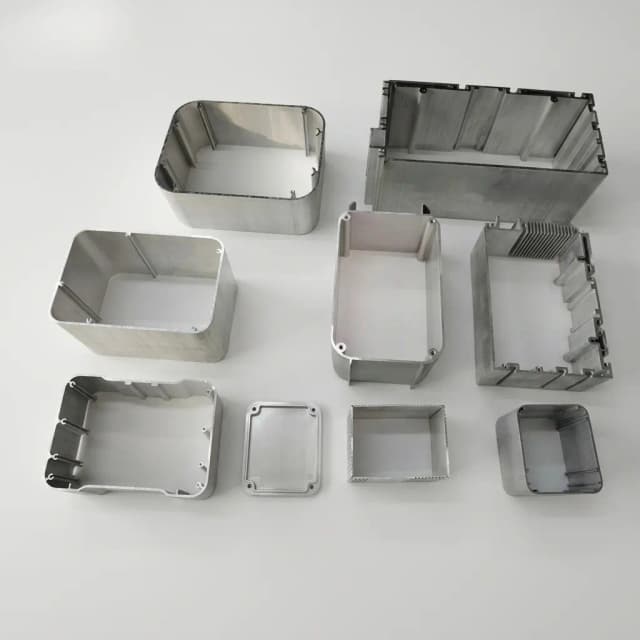
CNC Milling and Housing Features
Machining review for actuator housings, mounting faces, sealing areas, bearing bores, pockets, slots, and interface geometry.
Helps engineering teams confirm whether housing geometry can move from drawing to sample without avoidable fixture or inspection risk.
RFQ evidence needed
- 2D drawing and 3D model with datum scheme
- Critical bores, sealing faces, and mounting references
- Material and surface treatment requirement
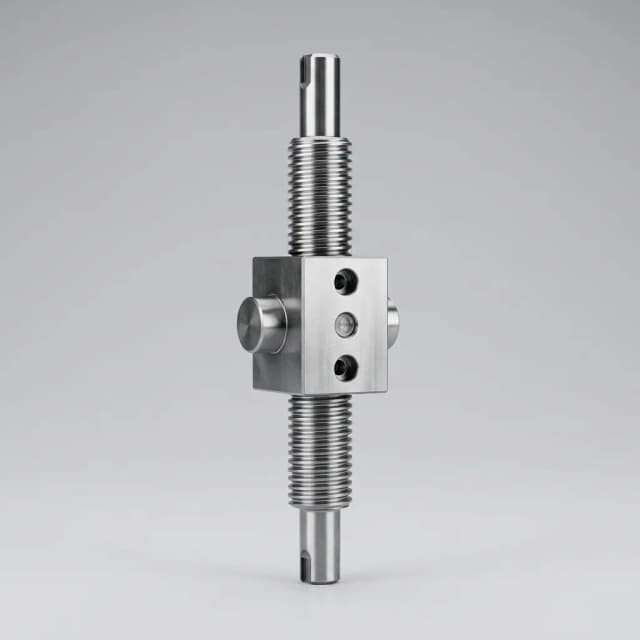
CNC Turning for Shafts and Rods
Turning-focused review for actuator rods, stepped shafts, threaded ends, shoulders, bearing seats, and coupling interfaces.
Gives sourcing and quality teams an early path to discuss runout, straightness, thread quality, surface finish, and packaging protection.
RFQ evidence needed
- Critical diameters, thread notes, and runout requirements
- Heat treatment, plating, passivation, or polishing notes
- Packaging expectation for long or finish-sensitive parts
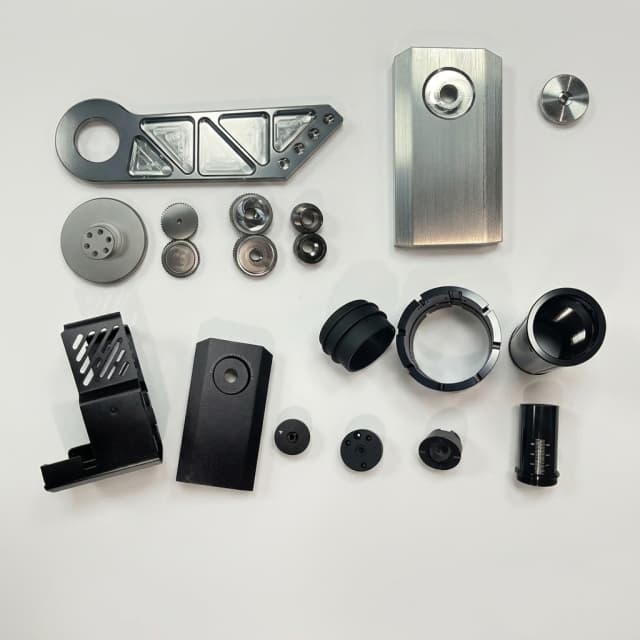
Multi-Part Actuator Component Packages
Coordinated review for housing, shaft, bracket, bushing, pin, spacer, and fastener-adjacent components under one RFQ package.
Reduces cross-part mismatch by aligning drawings, revisions, inspection points, finish requirements, and packaging before production release.
RFQ evidence needed
- Full drawing pack and bill of materials
- Mating-part assumptions and assembly sequence
- Prototype acceptance plan and repeat-order forecast