
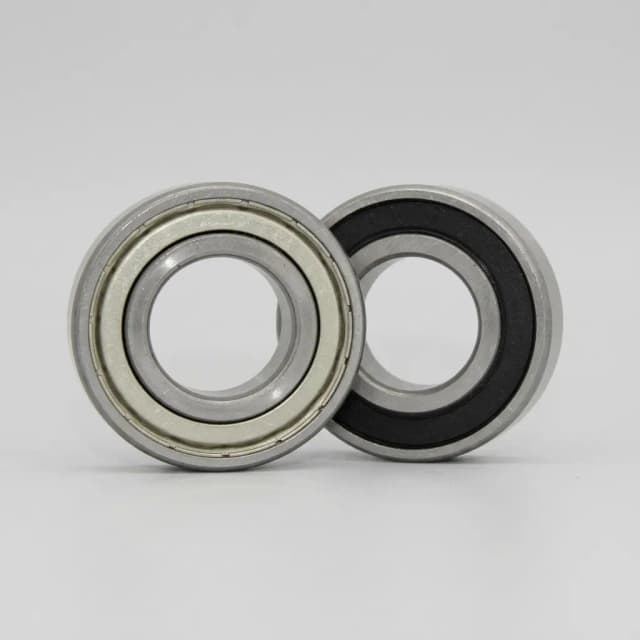
Specify the post-finish state
Dimensions, threads, bores, and seal faces may need to be checked after anodizing, plating, passivation, heat treatment, or grinding.
Compare material families, coating routes, heat treatment, and traceability requirements before releasing custom actuator parts for quotation.
The goal is not to guess a cheaper substitute. The goal is to align material, finish, machining risk, inspection evidence, and export protection so samples and repeat batches behave the same way in assembly.
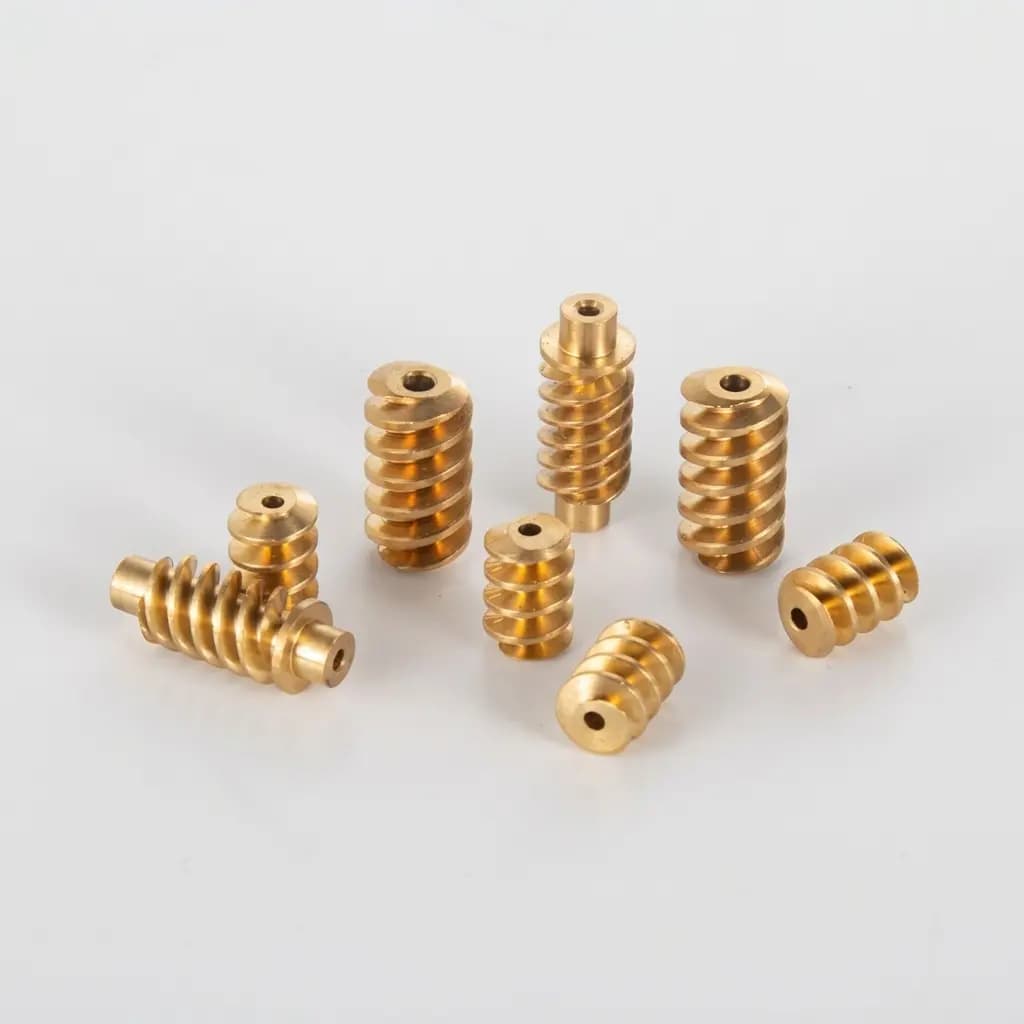
Buyers should specify not only the grade, but also the environment, finish route, traceability need, and post-process inspection points.
| Material Family | Actuator Use | Machining Risk | Finish Fit |
|---|---|---|---|
| Aluminum Alloys6061, 7075, and drawing-specified aluminum grades | Lightweight actuator housings, brackets, motor mounts, covers, and heat-dissipating components. | Thin walls, sealing faces, flatness, burr control, and anodizing allowance should be reviewed before sample machining. | Clear or hard anodizing, conversion coating, bead blast, brushing, or customer-defined cosmetic finish. |
| Stainless and Alloy Steels304, 316, 17-4PH, 4140, 42CrMo, and customer-specified steels | Shafts, rods, pins, clevis parts, load-bearing brackets, corrosion-resistant housings, and valve-actuator interfaces. | Work hardening, thread quality, runout, heat treatment distortion, and corrosion-control requirements must be aligned early. | Passivation, black oxide, zinc plating, nickel plating, polishing, grinding, or heat treatment followed by finish inspection. |
| Titanium and Nickel AlloysTi-6Al-4V, Inconel class, Monel class, and specialty alloys | High-strength, lightweight, high-temperature, corrosion-resistant, or harsh-environment actuator components. | Low thermal conductivity, tool wear, material cost, slower machining strategy, and inspection scope require pre-quote confirmation. | Application-specific cleaning, deburring, passivation-like processes, or customer-approved surface treatment route. |
| Engineering PlasticsPOM/Delrin, PTFE, PEEK, nylon, UHMW, and specified polymers | Bushings, spacers, guide components, low-friction pads, insulating parts, and light-duty actuator support pieces. | Thermal expansion, thin-wall deformation, moisture behavior, and burr removal can affect fit and repeatability. | Usually machined finish, deburring, cleaning, and packaging protection rather than metallic coating. |
Dimensions, threads, bores, and seal faces may need to be checked after anodizing, plating, passivation, heat treatment, or grinding.

Sliding rods, bearing seats, sealing faces, polished surfaces, and coated parts need packaging rules that protect the approved finish during export.
If the program needs MTR, heat number, hardness report, coating certificate, or finish inspection records, include those requirements before sourcing material.
Surface treatment is part of the engineering requirement, not a cosmetic afterthought. A finish can change wear behavior, corrosion resistance, thread fit, sealing, and final inspection status.
Aluminum housings, covers, brackets, and wear-facing surfaces.
Clarify: Specify color, thickness class, sealing requirement, masked features, cosmetic zones, and post-finish dimensions.
Stainless shafts, rods, pins, brackets, and corrosion-sensitive parts.
Clarify: Define material grade, passivation standard if required, cleaning requirement, and whether surface appearance matters.
Steel shafts, brackets, fastener-adjacent parts, and corrosion or appearance-controlled components.
Clarify: Confirm coating type, thickness, hydrogen embrittlement concern, thread allowance, contact surfaces, and packing protection.
Load-bearing shafts, rods, pins, wear interfaces, and high-strength actuator parts.
Clarify: Provide target hardness, case depth if any, distortion-sensitive features, grinding allowance, and hardness report expectation.
Sliding rods, seal contact areas, bearing seats, and fit-critical actuator interfaces.
Clarify: Mark Ra requirement, measuring location, protected surfaces, straightness or runout concerns, and inspection frequency.
Finish-sensitive, corrosion-sensitive, export-shipped, or assembly-ready actuator parts.
Clarify: Define oiling, bagging, caps, separators, labels, carton rules, and whether parts enter clean assembly.
Download Resources
Use these files to define material grade, certificate scope, heat-number traceability, post-finish dimensions, and RFQ completeness before sourcing material.
A sample structure for material grade, heat number, certificate review, production linkage, and buyer release notes.
A buyer-side checklist for drawing revision, material, finish, CTQ features, report scope, quantities, destination, and NDA handling.
A sample structure for feature IDs, nominal values, limits, measured results, methods, status, and deviation handling.
These files are planning aids for RFQ and supplier qualification. They are not completed customer reports, certifications, calibration records, or production release evidence.
Step 1
Load, corrosion, temperature, fluid exposure, duty cycle, and service life expectations.
Output: Shortlist material families and eliminate finishes that do not match the working environment.
Step 2
Wall thickness, length-to-diameter ratio, bores, threads, sealing faces, and thin or flexible features.
Output: Confirm machining route, deburring risk, distortion control, and inspection method before quote lock.
Step 3
Coating thickness, masking, heat treatment, passivation, polishing, grinding, and post-finish dimensions.
Output: Avoid parts that meet pre-finish dimensions but fail after coating, heat treatment, or grinding.
Step 4
MTR, heat number, hardness report, coating certificate, finish inspection, and customer-specific records.
Output: Align the document package before production so final release evidence matches buyer expectations.
Most material problems are preventable when buyers define the grade, finish state, critical dimensions, and evidence package before price comparison.
Specify grade, standard, alternate approval rules, and MTR requirement during RFQ.
Mark post-finish critical dimensions, coating thickness, masking zones, and inspection points.
Define hardness target, stress-relief or grinding allowance, and final inspection after treatment.
Confirm passivation, oiling, VCI packaging, separators, and destination storage assumptions.
We can review machinability, availability, finish compatibility, and sourcing impact, but final material substitution should be approved by the buyer engineering team.
Yes, if MTR or heat-number traceability is included in the RFQ and confirmed before production. Certificate scope can affect sourcing and lead time.
Fit-critical dimensions should be defined as pre-finish, post-finish, or both. Coating and heat treatment can change final size, thread fit, and surface behavior.
These processes can be coordinated when the drawing, finish standard, inspection requirement, and acceptance criteria are clear. Exact supplier route and records should be confirmed during RFQ.
Include material grade, allowed alternates, finish standard, hardness or surface roughness targets, critical dimensions, MTR needs, quantity, and delivery destination.
Inquiry Email
Include drawings, material, finish, tolerances, quantity, and delivery location.