
2026 CNC Actuator Tariffs: HS Codes & Sourcing Strategy
Actuator Machining guide to 2026 Section 232/301 tariff exposure, HS code checks, and sourcing actions for imported CNC actuator parts. Use it before RFQ.
Executive Summary (updated July 13, 2026): For U.S. importers of CNC machined actuator parts, 2026 Section 232 updates can move some steel, aluminum, copper, and derivative components from a material-value duty model to full-customs-value exposure. The business issue is not just a higher tariff rate; it is whether procurement can prove the HTSUS classification, origin content, and end use before the parts reach the port.
Procurement teams that buy 316 stainless housings, 4140 steel shafts, aluminum gearboxes, motor adapter plates, or actuator brackets still need competitive piece pricing. In 2026, they also need a defensible customs file before releasing the RFQ. A 10-25% duty swing on the full entered value can erase the labor savings that made offshore machining attractive.
Scope note: this article is a sourcing-risk guide for industrial actuator components imported into the United States. It references global sourcing choices because supplier origin matters, but it is not a global tariff table and it is not customs legal advice.
What Changed in 2026: Tariff Rules That Affect Actuator Parts
As of July 13, 2026, the trade-risk question for actuator buyers is narrower than "all CNC parts are tariffed." The practical question is whether a specific drawing, material, country of origin, and HTSUS line falls under a Section 232 derivative rule, a Section 301 China-origin action, or a normal base-duty entry.
| Rule Area | Current Signal | Why Actuator Buyers Care | Verification Step |
|---|---|---|---|
| Section 232 derivative coverage | Covered steel, aluminum, copper, and derivative products can face duties on full customs value. | Machining labor, fixture amortization, plating, and inspection cost can become part of the dutiable base. | Confirm the HTSUS line, Chapter 99 reporting, material grade, and origin before shipment. |
| De minimis exception | Certain derivative products may qualify when aggregate covered metal content is below 15% of total weight. | Sub-assemblies with bushings, fasteners, inserts, and brackets need weight evidence, not supplier guesses. | Keep BOM weights, material certificates, and broker notes in the entry file. |
| U.S.-origin metal treatment | Some equipment categories may receive reduced treatment when qualifying U.S.-origin metal thresholds are documented. | North American material traceability can change the landed-cost model for heavy housings and shafts. | Collect melt/pour/smelt/cast records and confirm eligibility with the broker. |
| Section 301 China-origin exposure | China-origin tariff actions remain separate and product-specific. | Chapter 84/85 actuator, motor, and gear components require item-level checks rather than blanket assumptions. | Check USTR actions, current HTS notes, and CBP guidance for the exact product line. |
The sourcing implication is straightforward: a low ex-works price is not a usable benchmark until the buyer has confirmed classification, origin, material content, and entry documentation. The evidence trail now matters as much as the machining quote.
The chart is an illustrative TCO model, not a duty-rate quote. Use it to compare sourcing scenarios, then confirm actual rates and documentation requirements with your licensed Customs Broker.
Why it Matters: The TCO Impact on Buyers
For importers and procurement teams, these updates change the traditional Total Cost of Ownership (TCO) structure and create three risks that matter before PO release: margin erosion, port holds, and customs penalty exposure.
If you are pricing a live RFQ, route the drawing pack, supplier country, material spec, and proposed HTSUS line through your broker first. For machining feasibility and sourcing trade-off review, send the same package through our contact/RFQ page.
1. Tariffs Exceeding Machining Margins
In many cases, the added 10% to 25% duty on an imported actuator housing can wipe out the 15% labor savings gained by offshoring. Pure outsourcing strategies that do not account for tariffs, freight, clearance delays, and documentation cost now understate the real landed cost.
2. The HS Code Trap
Harmonized System (HS) Codes dictate the tariff rate. The trap lies in the ambiguity of CNC parts. Is a machined cylinder a "general steel tube" (subject to heavy Section 232 tariffs) or a "specific linear actuator component" (potentially under a different Section 301 bracket or exempt from certain derivative rules)?
Misclassification usually starts as a documentation shortcut. Suppliers may default to vague codes to expedite shipping, but the importer of record remains responsible when customs questions the entry. That is why the drawing, end-use proof, BOM, material certificate, and broker rationale need to match before the shipment leaves the factory.
HS Code Risk and Verification Matrix
To avoid port holds, buyers should not let the supplier choose a broad metal-parts code without review. The table below gives illustrative classification directions for actuator components; it is not binding HS advice.
| Component Type | Common Misclassification (High Risk) | Broker Review Direction | Buyer Audit Action |
|---|---|---|---|
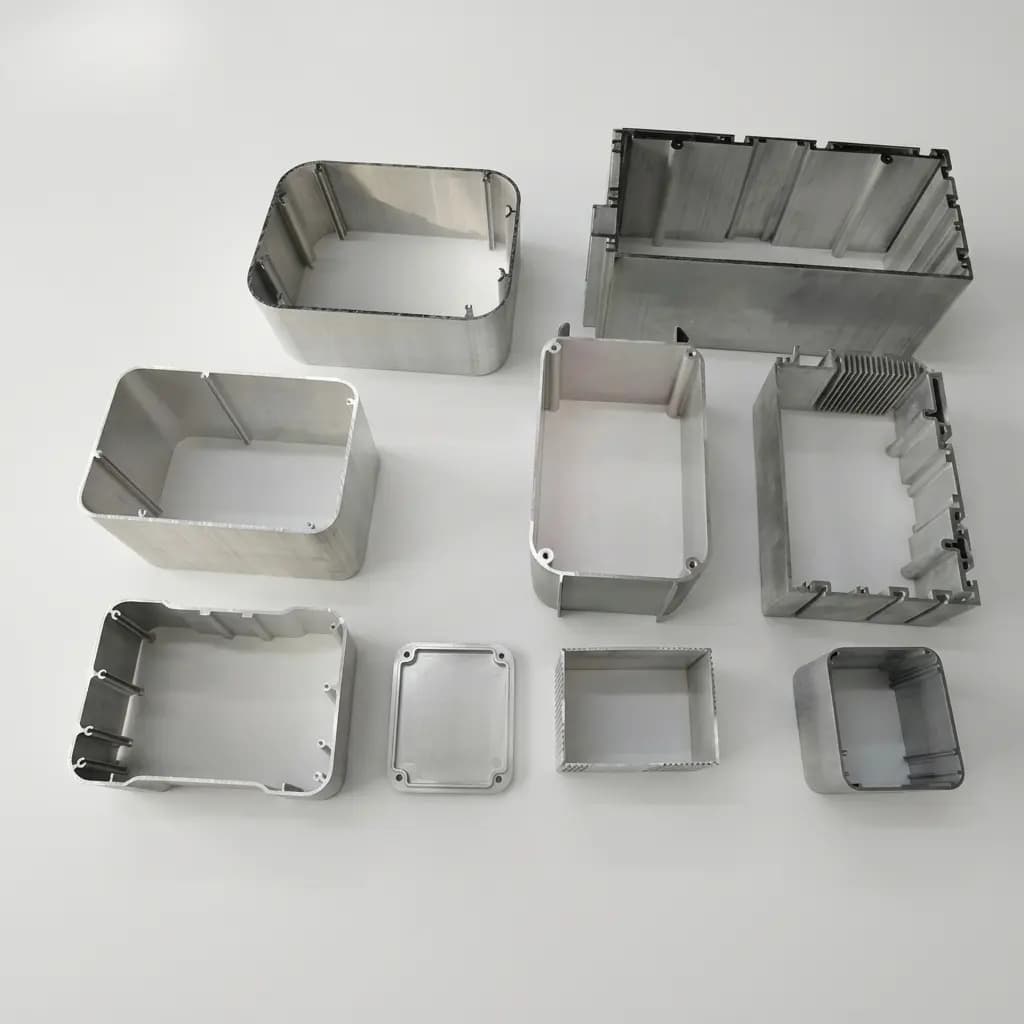
| Actuator Housings (Aluminum) | 7616.99 (Other articles of aluminum) | Review whether 8412.90 or another functional parts provision applies. | Verify end-use documentation proves the 6061 aluminum housing drawing is exclusive to a pneumatic or hydraulic actuator. |
| Precision Drive Shafts (Steel) | 7326.90 (Other articles of iron/steel) | 8483.10 (Transmission shafts and cranks) | Check diameter tolerances. If ground to h6 tolerances, it clearly functions as a transmission shaft. |
| Motor Adapter Plates | 7326.19 (Forged/stamped iron parts) | Review whether 8503.00 or the finished equipment provision applies. | Ensure the actuator adapter bracket bolt pattern explicitly matches standard NEMA or metric servo motor faces. |
| Worm Gear Blanks | 7228.60 (Other bars/rods of alloy steel) | 8483.40 (Gears and gearing) | If tooth profiles are partially cut, it must be declared as a gear, not raw bar stock. |
| End Caps & Trunnions | 7325.99 (Other cast articles of iron/steel) | Review whether 8412.90 or a material article provision controls. | Supply assembly drawings and the FAI release package to the customs broker to prove the component's singular purpose. |
Disclaimer: The HS Code and tariff impacts provided in this article are for strategic sourcing and TCO modeling purposes only. They do not constitute legal customs advice. Actual import duty rates, classifications, binding-ruling strategy, and regulatory compliance must be confirmed with your licensed Customs Broker and the latest official CBP/USTR guidance prior to import.
Risks and Limits
Navigating out of the tariff trap involves difficult supply chain choices. Every mitigation strategy carries its own set of risks.
The Pain of Reshoring
Moving CNC machining back to domestic or nearshore (e.g., Mexico) suppliers avoids the heaviest tariffs, but introduces a "Lead Time vs. Tariff" trade-off. Domestic shops often require 8-12 week lead times compared to 4 weeks overseas, and base pricing can be significantly higher.
Supplier Compliance Friction
Reclassifying HS Codes requires your overseas machine shop to change their commercial invoices, packing lists, and export declarations. Many suppliers resist this, fearing export penalties in their own country.
The "Derivative" Weight Threshold
For certain derivative products not classifiable in Chapters 72/73/74/76, a de minimis exception may be available if aggregate applicable steel, aluminum, or copper content is less than 15% of total product weight. That requires a real Bill of Materials (BOM), not a vendor statement. Conversely, reduced treatment tied to qualifying U.S.-origin metal also demands strict traceability through material test reports and supplier declarations.
Who Should Act Now: Buyer Action Checklist
To protect your margins and ensure reliable supply in 2026, take these actions immediately:
- Conduct an HS Code Audit: Pull your last 12 months of customs data. Identify any actuator housings, shafts, or gears declared under general metal codes (Chapter 72/73 for steel, Chapter 76 for aluminum), then match those entries to the FAI and traceability package.
- Align with Your Customs Broker: Present engineering drawings and end-use certificates to your broker to secure binding rulings on correct Chapter 84/85 functional classifications.
- Update DFM Protocols: Work with engineering to explore lightweighting and coating choices. Because some derivative rules use weight thresholds, removing unnecessary mass from an actuator housing and documenting surface finishes can reduce ambiguity.
- Implement a Dual-Sourcing Strategy: Adopt a "China + 1" approach. Maintain overseas volume for non-tariff-impacted components, but shift heavy, tariff-sensitive steel parts to nearshore facilities.
- Mandate Commercial Invoice Accuracy: Update supplier contracts to require your pre-approved HS Codes on all shipping documents. Refuse to pay invoices that utilize unauthorized "shortcut" codes.
For EU-bound programs, pair this tariff review with CBAM downstream expansion checks. Before PO release, ask Actuator Machining to review machinability, drawing risk, and dual-source feasibility through the contact/RFQ page.
FAQ
Q: If we assemble the actuator into a sub-assembly offshore, does it avoid the base metal tariffs? A: Not automatically. For U.S. Section 232 entries, the 2026 rules include a de minimis exception only for certain derivative products with aggregate steel, aluminum, or copper content below 15% of total weight. Eligibility depends on HTSUS classification and CBP guidance.
Q: Should we reshore our actuator shaft machining to avoid these tariffs entirely? A: Reshoring eliminates import tariffs, but you must balance this against domestic machining rates, capacity constraints, and potential lead time delays. Depending on program volume, a "China + 1" or nearshoring approach is often more practical.
Q: Can our supplier just declare actuator housings as "general metal parts" to get a lower tariff rate? A: No. Deliberately using a vague metal-parts code to reduce duty exposure can create customs penalty risk; have the importer of record and broker confirm the HTSUS line before shipment.
Q: Who is responsible if the HS Code is wrong, the buyer or the machine shop? A: As the Importer of Record (IOR), the buyer is ultimately liable for duties, fines, and clearance delays, regardless of what the overseas machine shop puts on the commercial invoice.
Conclusion
The 2026 tariff environment has transformed actuator procurement from a simple piece-price negotiation into a regulatory, documentation, and supply-chain risk decision. By controlling HS Code review, material traceability, and TCO modeling before RFQ release, you can reduce surprise duties and avoid redesigning the sourcing plan after parts are already in transit.
If you need a machinability and sourcing review for tariff-sensitive actuator housings, shafts, brackets, or gear components, send the drawing package through our contact/RFQ page.
Sources
- Office of the United States Trade Representative (USTR): Section 301 tariff actions
- CBP Cargo Systems Messaging Service: CSMS #68855869 Section 232 implementation guidance
- Federal Register: April 2026 proclamation on aluminum, steel, and copper imports
- White & Case LLP Trade Insights: United States modifies steel, aluminum, and copper Section 232 tariffs
Author

Categories
More Posts
CNC Machining Tolerances Guide for Actuator Shafts: ISO 286 Fits, Cost Multipliers, and GD&T
Engineering reference for selecting ISO 286 tolerances, specifying GD&T callouts, and managing CNC cost multipliers on linear and rotary actuator shafts.
Machining Aerospace Actuator Housings: Titanium vs. Aluminum-Lithium
Compare Titanium and Aluminum-Lithium for aerospace actuator housings. Understand CNC machining challenges, tooling costs, and weight vs. strength tradeoffs for 2026.
Controlling Backlash in Precision Actuator Gearboxes: DIN/AGMA Standards, Center Distance, and Thermal Drift
How gear quality grades (DIN/AGMA), center distance machining tolerances, and thermal expansion combine to determine actuator positioning accuracy.