
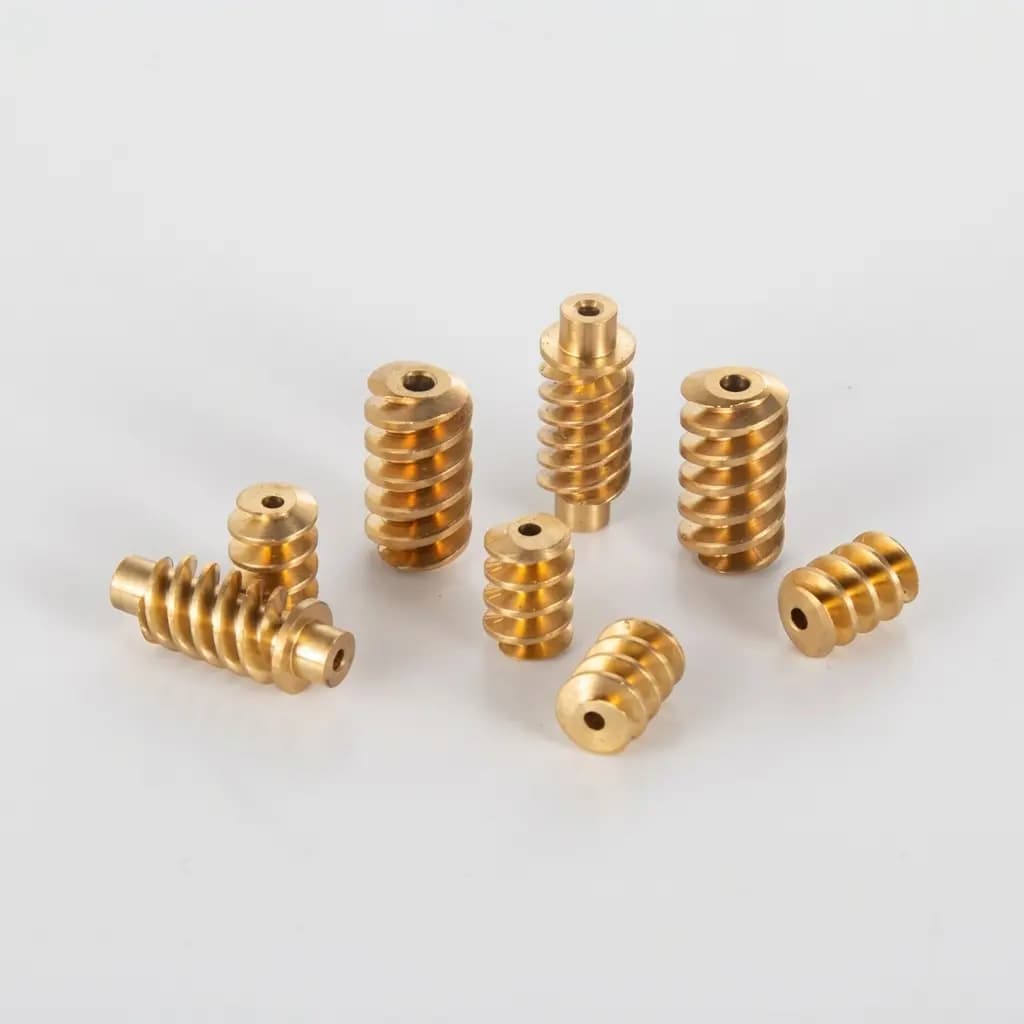
Surface Finishes for Industrial Actuator Parts: Anodizing, Passivation, and Plating Compared
Comparing anodizing, passivation, plating and black oxide for actuator parts — with dimensional growth data, MIL-spec standards, and CNC compensation.
Precision CNC machining is only half the battle when manufacturing industrial actuator components. The final surface finish or treatment dictates how the part will survive its operating environment—whether that's a sterile medical lab, a corrosive offshore rig, or a high-friction robotic joint.
Choosing the wrong finish can lead to premature wear (galling), galvanic corrosion, or out-of-tolerance assemblies where bearings no longer fit onto shafts. If you haven’t locked your shaft tolerances yet, do that first — your finish choice will shift those numbers.
1. Master Comparison Matrix
Before selecting a finish, refer to this engineering-grade comparison:
| Finish | Substrate | Standard | Thickness | Hardness | Dimensional Impact | Corrosion (Salt Spray) | Typical Actuator Use |
|---|---|---|---|---|---|---|---|
| Type II Anodize | Aluminum | MIL-A-8625 Type II | 5-25 μm | 200-300 HV | ~50% builds outward | 336 hrs | General housings, covers |
| Type III Hardcoat | Aluminum | MIL-A-8625 Type III | 25-50+ μm | 500-700 HV | ~50% builds outward | 1000+ hrs | Aerospace housings, bearing surfaces |
| Passivation | Stainless | ASTM A967 / AMS 2700 | 0 μm | N/A | Zero | N/A (removes contaminants) | Medical shafts, food-grade actuators |
| Electropolish | Stainless | ASTM B912 | Removes 5-10 μm | N/A | Shrinks part | Enhanced passive layer | Semiconductor wafer handling |
| Zinc Plating | Carbon Steel | ASTM B633 | 5-12 μm | 70-120 HV | Adds to surface | 96-200 hrs | External brackets, motor plates |
| Electroless Nickel | Any Metal | ASTM B733 | 10-25 μm | 500-700 HV | Adds uniformly | 200-500 hrs | Precision corrosion-resistant shafts |
| Black Oxide | Carbon Steel | MIL-DTL-13924 | ~1 μm | N/A | Zero | Minimal (requires oil) | Internal gears, splines, fasteners |
| Hard Chrome | Any Metal | AMS 2406 / QQ-C-320 | 25-250 μm | 850-1050 HV | Adds to surface | 200+ hrs | Hydraulic actuator rods, wear surfaces |
2. The "Dimensional Growth" Trap — Anodizing
The biggest mistake engineers make is failing to account for anodize dimensional growth. This single oversight causes more scrapped actuator assemblies than any other surface finish error.
Anodize Compensation Cheat Sheet
| Feature Type | Anodize Spec | Growth Direction | CNC Compensation |
|---|---|---|---|
| Internal Bore (Ø40) | 50μm Type III | Bore shrinks | Machine +0.050mm oversize |
| External Shaft (Ø20) | 50μm Type III | OD grows | Machine -0.050mm undersize |
| Tapped Hole (M6) | 50μm Type III | Thread narrows | Tap before anodizing, mask threads |
| Press-Fit Bore | 25μm Type II | Bore shrinks | Machine +0.025mm oversize |
3. Stainless Steel Shafts: Passivation vs. Electropolishing
For medical, food-grade, or marine linear actuators, 304 or 316 stainless steel shafts are standard. While "stainless," machining embeds free iron particles from cutting tools into the surface, which will rapidly rust.
4. Steel Components: Zero-Growth vs. Dimensional Finishes
For carbon steel actuator brackets, gears, and load-bearing shafts:
| Finish | Dimensional Growth | Best Use Case | Critical Engineering Note |
|---|---|---|---|
| Black Oxide | Zero | Internal gear trains, splines, fasteners | Must be oiled post-treatment. Cosmetic only — minimal corrosion protection. |
| Zinc Plating | +5 to +12 μm | External brackets, clevis mounts, motor plates | Sacrificial anode — zinc corrodes first, protecting the steel underneath. |
| Electroless Nickel (ENP) | +10 to +25 μm (uniform) | Precision shafts requiring both hardness and corrosion resistance | Uniquely uniform — even on complex 3D shapes and internal bores. |
| Hard Chrome | +25 to +250 μm | Hydraulic cylinder rods, high-wear linear actuator rods | Extremely hard (HRC 68-72). Must grind to final dimension after plating. |
Why Black Oxide for Gear Trains?
Black oxide adds exactly zero dimensional thickness to the part. This is critical for tightly toleranced planetary gear trains where even 10 microns of ENP plating would cause the gears to bind and seize — a problem we discuss in depth in our backlash control guide. The trade-off: black oxide provides almost no corrosion protection, so the gear train must be sealed and lubricated.
5. Specify Finishes in Your RFQ — The Correct Format
To prevent misinterpretation, use this exact format in your drawing notes:
Call Out the Standard
Finish: MIL-A-8625 Type III, Class 2 (Black), Hard Anodize. Thickness: 50 μm ±10 μm.
Declare the Dimension Basis
Critical Note: ALL DIMENSIONS AND TOLERANCES APPLY AFTER FINISH. (This tells the machinist to cut all features oversized to compensate for anodize growth.)
Specify Masking (if needed)
Mask Areas: Do NOT anodize internal threads (M6×1.0), press-fit bores (Ø20 H7), and ground datum surfaces (Datum A, B).
Providing exact coating standards and dimension basis protects your project from the #1 cause of scrapped actuator assemblies: surface finish dimensional interference.
Frequently Asked Questions
Author

Categories
More Posts
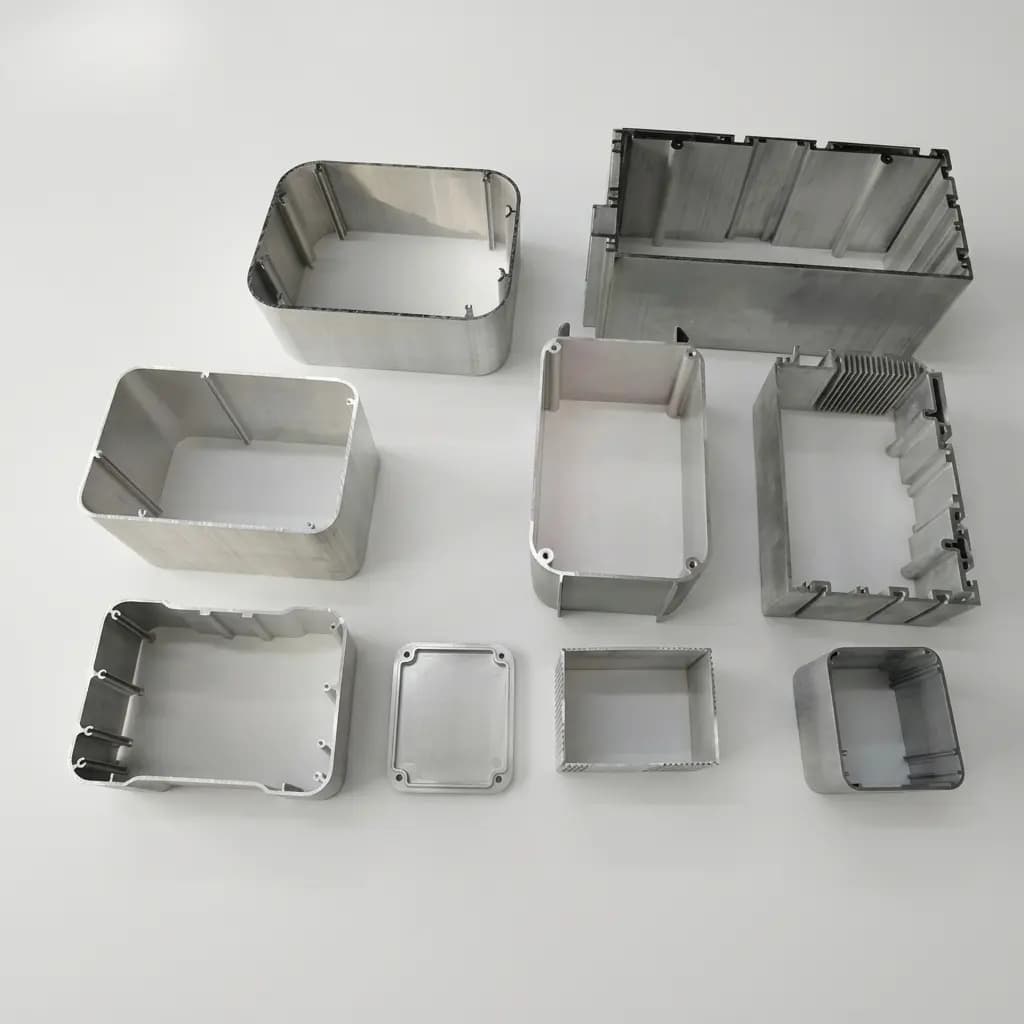
Machining Aerospace Actuator Housings: Titanium vs. Aluminum-Lithium
Compare Titanium and Aluminum-Lithium for aerospace actuator housings. Understand CNC machining challenges, tooling costs, and weight vs. strength tradeoffs for 2026.
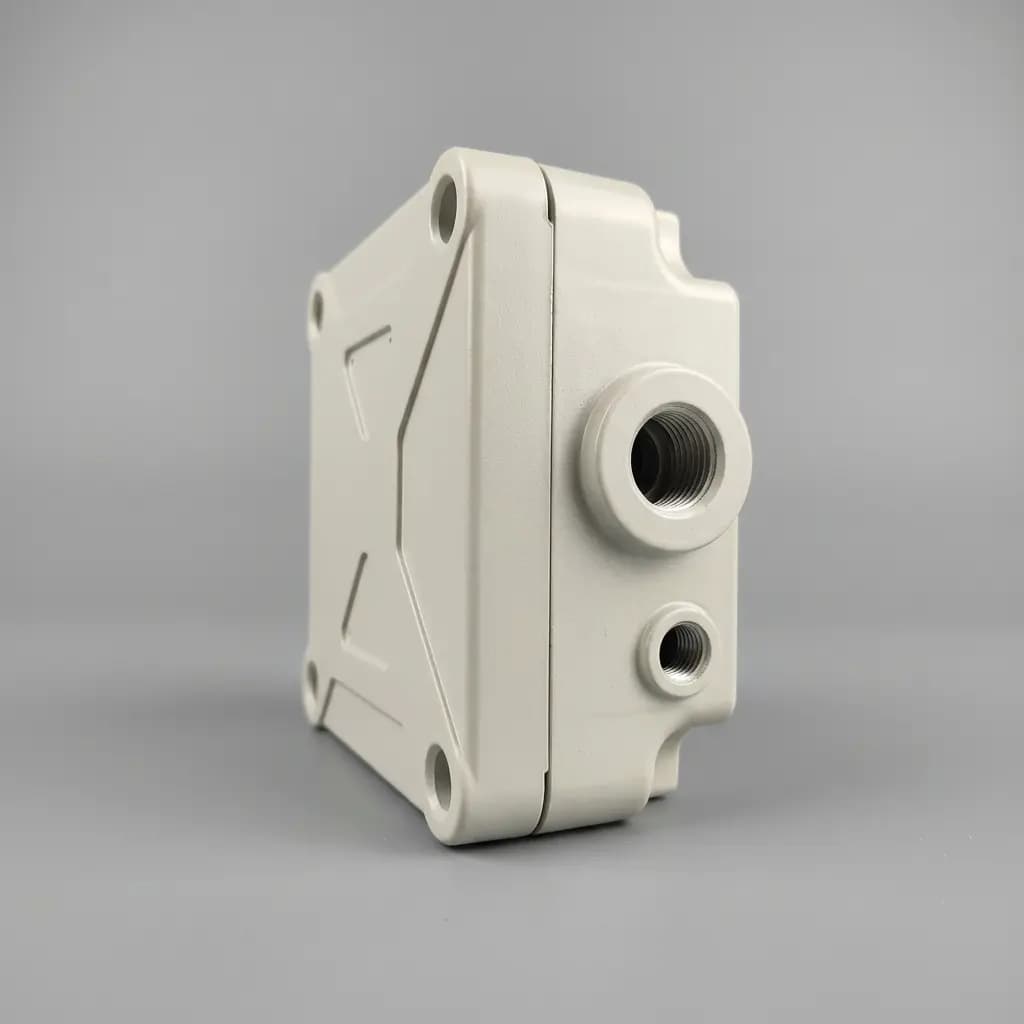
How to Reduce Cost in Custom Actuator Housing Manufacturing (DFM Guide)
Actionable Design for Manufacturing (DFM) tips with quantified cost penalties, CNC tool physics, and volume transition strategies for custom actuator housings.
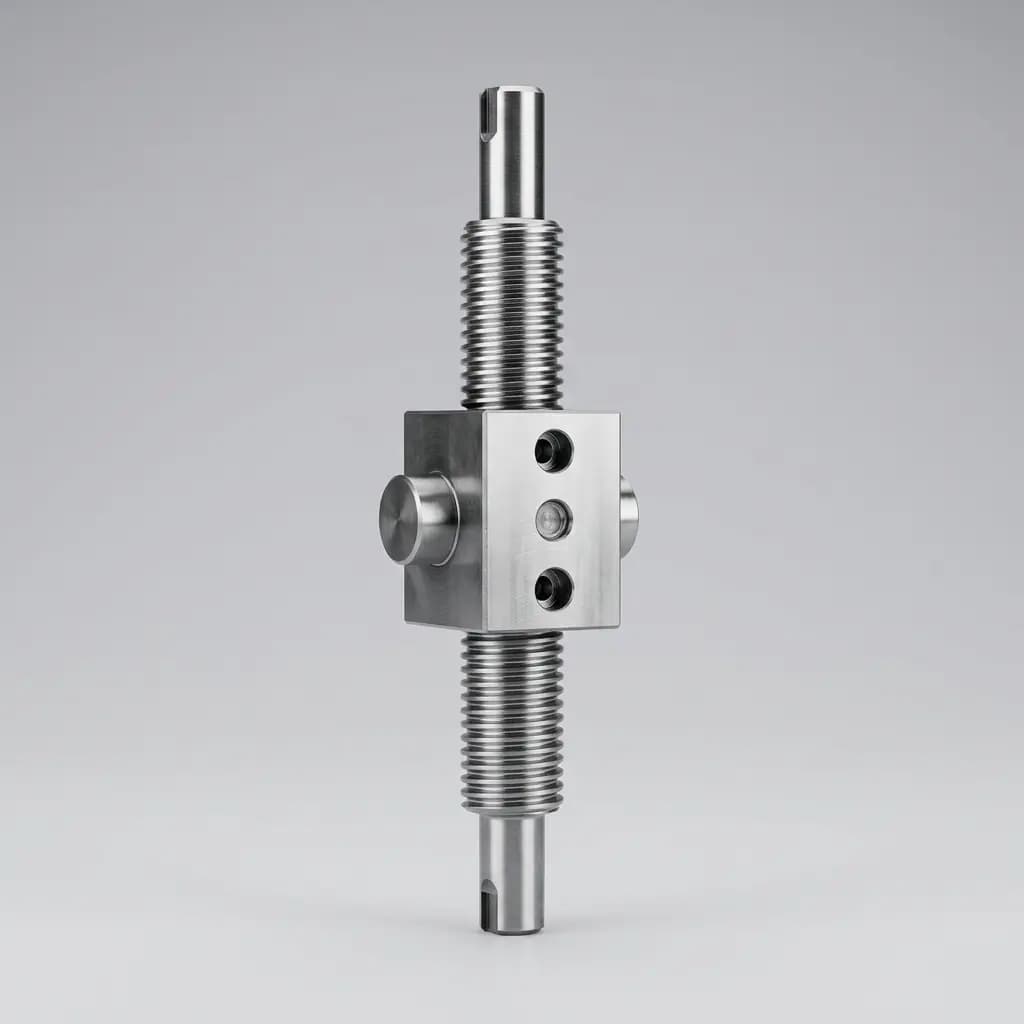
CNC Machining Tolerances Guide for Actuator Shafts: ISO 286 Fits, Cost Multipliers, and GD&T
Engineering reference for selecting ISO 286 tolerances, specifying GD&T callouts, and managing CNC cost multipliers on linear and rotary actuator shafts.