
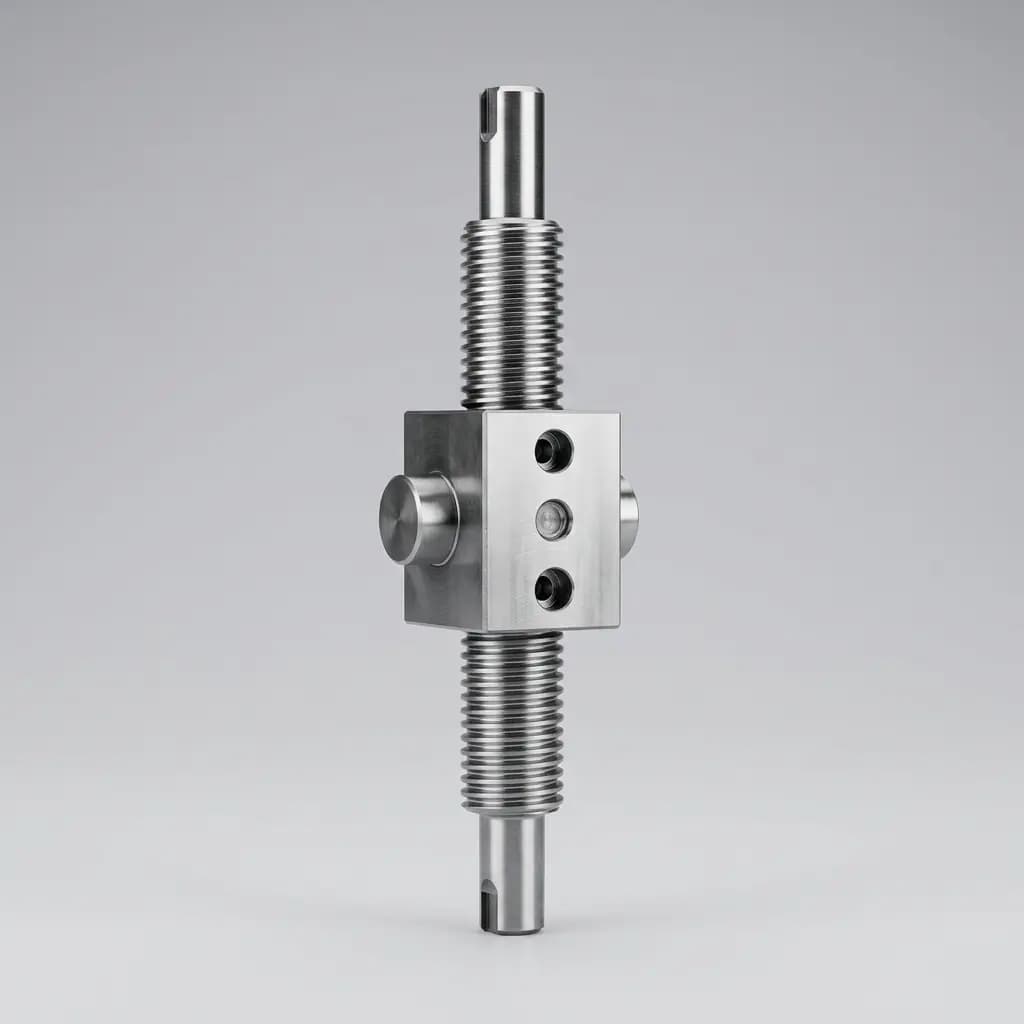
Actuator Machining EU CBAM 2026 Downstream Risk
Actuator machining buyers: map EU CBAM downstream risk, 2028 exposure, TARIC codes, PCF data, and RFQ clauses before quoting.
Decision-Level Conclusion: On June 12, 2026, the Council of the European Union agreed its negotiating position on strengthening the Carbon Border Adjustment Mechanism (CBAM), including a downstream-product expansion aimed at reducing carbon leakage. For actuator machining procurement, the practical risk is clear: imported steel or aluminum actuator housings, shafts, brackets, and mounts may need auditable Product Carbon Footprint (PCF) evidence once the final CN/TARIC scope is adopted. Buyers should audit part codes and supplier data now, because waiting until enforcement leaves little time to fix customs classification, material-origin records, and carbon documentation.
The regulatory landscape for importing machined components into Europe is shifting from material-only exposure toward manufactured-part exposure. Historically, CBAM focused on raw and semi-finished materials such as steel, aluminum, cement, fertilizers, electricity, and hydrogen. The latest EU downstream-expansion package targets leakage risk in manufactured goods by adding roughly 180 downstream product categories and bringing an estimated 7,500 additional importers into scope.
For procurement teams, importers, and specifiers dealing in global actuator supply chains, this means the compliance burden is moving from the steel mill directly to the CNC machine shop.
Use this article as a procurement screening guide, not as legal or customs advice. It is written for OEM buyers importing non-EU machined actuator parts into the EU, and it assumes the part uses steel or aluminum. Plastic parts, EU-origin parts, and finished assemblies with mixed materials may fall outside the same risk band until the final annexes and customs guidance are confirmed.
What Changed (Last 30 Days)
The shift from the initial CBAM rollout to the upcoming Definitive Regime and downstream expansion fundamentally alters who holds the carbon liability. It is no longer sufficient to just buy components; importers must now account for the embedded carbon in those components.
| Dimension | Initial CBAM Phase (2023-2025) | Downstream Expansion Risk (Post-June 2026 Council Position) |
|---|---|---|
| Target Scope | Raw materials (Steel, Aluminum, Cement, Fertilizers). | Downstream products (Machinery, fabricated metals, vehicle parts). |
| Actuator Impact | Low-to-medium. Mainly affected raw material cost and supplier declarations. | Potentially high for steel and aluminum housings, shafts, mounts, and fabricated brackets if their CN/TARIC codes are included. |
| Cost Liability | Transitional reporting without certificate surrender. | Importers may need to buy CBAM certificates based on embedded emissions once the definitive regime applies to covered products. |
| Data Requirement | Supplier declarations and embedded-emissions data for covered inputs. | Part-specific PCF evidence, material origin, electricity mix, and machining process records become procurement differentiators. |
| Default Values | Transition-period flexibility exists in defined cases. | Default values can be used only within the applicable rules and can weaken cost competitiveness versus verified actual emissions. |
Implementation Timeline: The Road to 2028
The June 12, 2026 Council position establishes a clear countdown to enforcement. Procurement must align contract cycles with these regulatory milestones:
| Phase | Key Milestone Date | Impact on Buyers & Procurement |
|---|---|---|
| Q3 2026 | European Parliament Vote | Finalization of the exact 180 TARIC codes included in the downstream expansion. |
| 2026-2027 Contract Cycle | Supplier Data Readiness Window | Add PCF, material-origin, and electricity-mix requirements before new actuator part awards are locked. |
| Before Import of Covered Goods | Authorised CBAM Declarant Check | EU importers must confirm whether their entity, customs broker, or representative can handle CBAM obligations for covered goods. |
| Jan 1, 2028 Target Window | Downstream Exposure Planning Date | Treat this as the procurement planning horizon for downstream coverage unless the final adopted text changes the effective date. |
Why It Matters & Impact on Buyers
If your supply chain relies on CNC machine shops outside the EU to manufacture steel or aluminum actuator bodies, the financial risk is no longer just about tariffs or freight. It is about the carbon intensity of the raw material, the electricity used for machining, and whether your supplier can document those inputs at part level.
Importers who fail to secure carbon data from their manufacturing partners may have to rely on default values where the rules allow it. That is a poor procurement position because it removes your ability to show lower actual emissions from recycled feedstock, cleaner electricity, or more efficient machining. The result can be higher modeled certificate exposure and weaker landed-cost competitiveness against EU or lower-carbon suppliers.
Risks and Limits
It is crucial to understand the exact regulatory boundaries to avoid both under-preparing and over-reacting. The June 12, 2026 agreement is a proposal moving toward final legislation, not an immediate stop-ship order. Procurement must focus on specific material codes rather than general part names.
TARIC Code Risk Matrix
CBAM applicability is defined by customs classification, not by the buyer's functional part name. For actuator machining, that means an item described internally as a "servo actuator mounting plate" can carry a very different risk profile depending on whether customs classifies it as an aluminum article, a steel fabricated component, a machine part, or a finished actuator assembly.
| Actuator Component Category | Example TARIC/CN Code | Material Base | CBAM Risk Level | Procurement Action Required |
|---|---|---|---|---|
| Machined Aluminum Housings | 7616.99.90 | Aluminum | High watchlist | Demand PCF-ready data from CNC supplier and verify final EU scope before import. |
| Steel Shafts & Mounts | 7326.90.98 | Steel | High watchlist | Audit annual import weights and collect material-origin records. |
| Fully Assembled Actuators | 8412.21.20 | Mixed (Hydraulic) | Lower current watchlist | Monitor final annexes and avoid assuming the assembly code shields every included component. |
| Plastic/Polymer Enclosures | 3926.90.97 | Plastic | Outside steel/aluminum CBAM focus | Keep normal customs and sustainability checks; do not treat as CBAM-covered without code confirmation. |
Applicability Boundaries & Limits
- Dynamic TARIC Codes: The exact list of covered downstream items is based on customs nomenclature. Buyers must map their specific actuator component CN/TARIC codes against the final CBAM annexes and any Commission guidance.
- The 50-Tonne Threshold: The EU simplification package uses a mass-based annual threshold for CBAM-covered goods. Treat it as an importer-level screen, not as a blanket exemption for every shipment or subsidiary.
- Material Boundary: This article focuses on steel and aluminum actuator machining. It does not assert CBAM coverage for every finished actuator, polymer enclosure, electronic subassembly, or mixed-material product.
| Actuator Component Type | Est. Weight per Unit | Units to Hit 50-Tonne Limit | Exemption Status (Typical) |
|---|---|---|---|
| Micro-Actuator Housing (Aluminum) | 0.5 kg | 100,000 units / year | Highly Likely Exempt |
| Standard 2" Valve Actuator Body (Steel) | 5.0 kg | 10,000 units / year | Monitor Volume Closely |
| Heavy-Duty 12" Actuator Housing | 45.0 kg | 1,111 units / year | Likely Exceeds Limit |
| Custom High-Torque Gearbox Bracket | 15.0 kg | 3,333 units / year | Monitor Volume Closely |
- Implementation Timeline: While the general approach was agreed upon in June 2026, the downstream expansion rules are largely targeted to take effect around January 1, 2028, giving supply chains time to adapt—if they start now.
Who Should Act Now
Procurement and supply chain teams importing from non-EU regions should integrate carbon data requirements into vendor qualification before the next RFQ cycle. The highest-value action is not guessing the final tax amount; it is preventing a data gap that would make the quote impossible to defend later.
- Audit Existing Imports: Extract steel and aluminum actuator components from non-EU sources. Record customs code, material grade, annual mass, supplier, and importer of record.
- Update Supplier Contracts: Insert "CBAM Compliance & Data Provision" clauses into new RFQs and long-term agreements. Require PCF data, mill certificates, recycled-content evidence where claimed, electricity-mix records, and change-notice rules.
- Screen Machine Shops: Prefer CNC machining partners that can document material traceability, batch-level process records, and inspection evidence. Our material traceability record template shows the minimum file structure buyers should request.
- Tie Carbon Data to Quality Gates: Add CBAM fields to the same release package used for First Article Inspection (FAI), because carbon data without part-level traceability is hard to audit.
- Prepare the RFQ Package: Use the actuator machined parts RFQ checklist and include CBAM data requirements alongside drawing revision, material, finish, and inspection clauses.
- Escalate Unclear Codes Early: If a part sits between an aluminum article, machine part, and finished assembly classification, get customs-broker review before awarding volume business.
FAQ
Sources
- Council of the European Union - Council moves to strengthen the EU's Carbon Border Adjustment Mechanism, June 12, 2026: https://www.consilium.europa.eu/en/press/press-releases/2026/06/12/council-moves-to-strengthen-the-eu-s-carbon-border-adjustment-mechanism/
- European Commission: CBAM - Carbon Border Adjustment Mechanism rules, transitional phase, definitive regime, and default values: https://taxation-customs.ec.europa.eu/carbon-border-adjustment-mechanism_en
- EU TARIC Database - Customs Consultation: https://ec.europa.eu/taxation_customs/dds2/taric/taric_consultation.jsp (Tool to map exact 8-digit CN codes for actuator parts).
- European Commission legislative proposal COM(2025) 989 - Amending Regulation (EU) 2023/956 as regards extending CBAM to downstream goods: https://eur-lex.europa.eu/legal-content/EN/TXT/?uri=celex%3A52025PC0989
- Actuator Machining buyer templates - RFQ checklist and material traceability record for supplier data collection.
More Posts
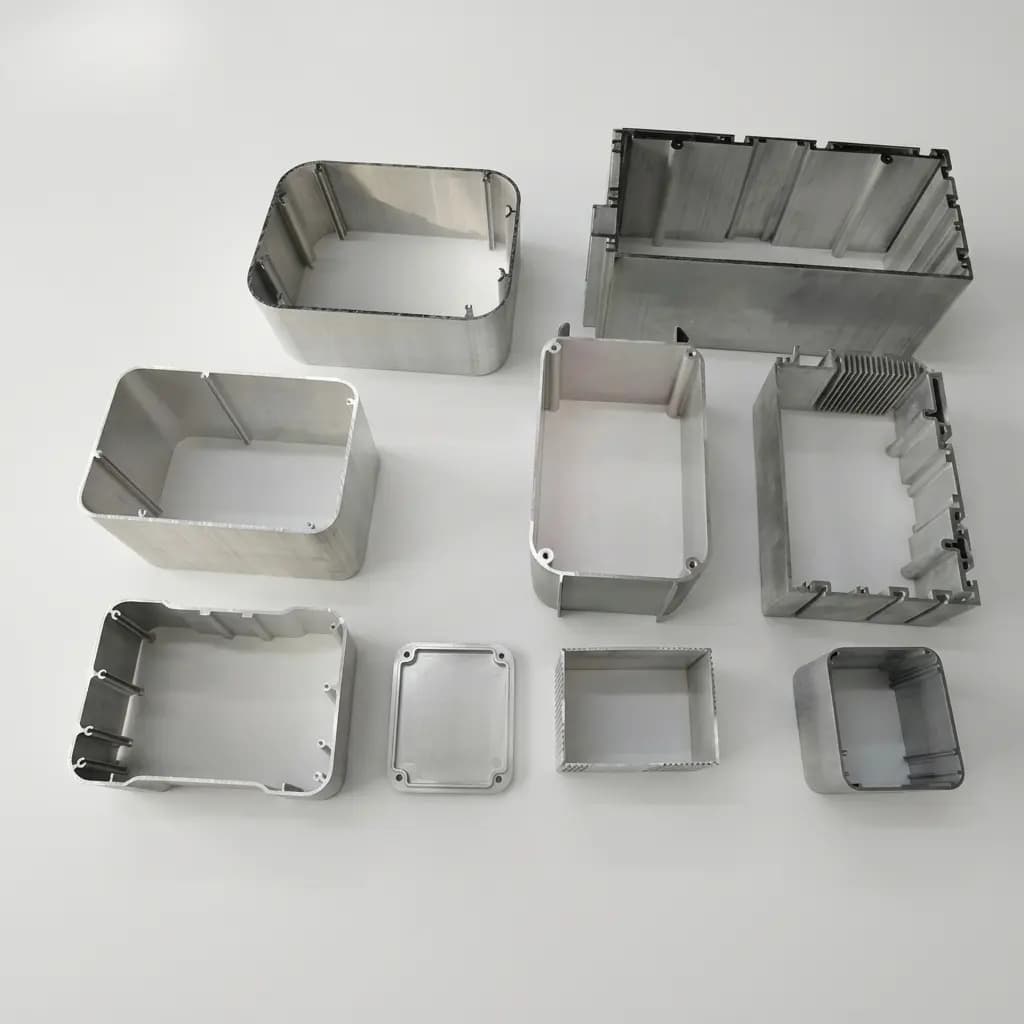
AS9100 to IA9100 Transition (2026): What Aerospace Actuator Buyers Need to Know
AS9100 is moving toward IA9100 after ISO 9001:2026. Use this aerospace actuator machining checklist to audit cyber, MSA, traceability, and APQP supplier risk.

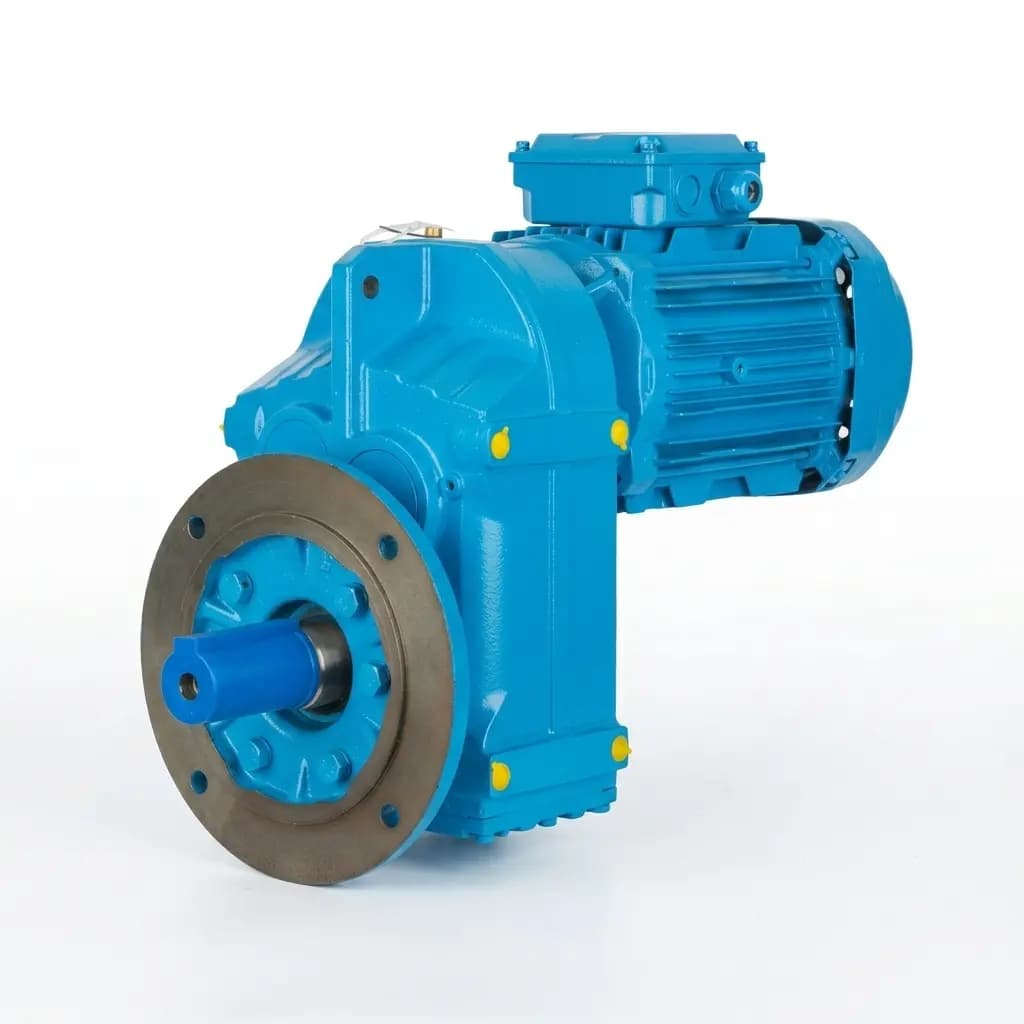
Controlling Backlash in Precision Actuator Gearboxes: DIN/AGMA Standards, Center Distance, and Thermal Drift
How gear quality grades (DIN/AGMA), center distance machining tolerances, and thermal expansion combine to determine actuator positioning accuracy.
Machining Aerospace Actuator Housings: Titanium vs. Aluminum-Lithium
Compare Titanium and Aluminum-Lithium for aerospace actuator housings. Understand CNC machining challenges, tooling costs, and weight vs. strength tradeoffs for 2026.