How ABB's $5.5B Acquisition of Rotork Reshapes Actuator Machining Procurement
ABB announces a $5.5B acquisition of Rotork. Learn how this reshapes actuator machining procurement, supplier concentration, and precision OEM manufacturing standards.
Executive Summary & Procurement Decision: On July 16, 2026, automation giant ABB announced a definitive agreement to acquire Rotork plc for approximately $5.5 billion in an all-cash transaction. For buyers and procurement teams sourcing machined actuator components, this signals a massive consolidation in the field-device layer. Procurement leaders must immediately audit their BOMs (Bill of Materials) for Rotork dependencies, evaluate supplier concentration risks, and prepare for potentially stricter ABB-aligned machining and quality standards (e.g., ISO 9001:2026).
The industrial automation landscape experienced a seismic shift in July 2026 when ABB moved to acquire Rotork, a premier UK-based manufacturer of electric actuators and fluid control systems. This $5.5 billion deal—funded largely by ABB's recent robotics division sale—aims to integrate Rotork's "sense-control-actuate" hardware with ABB’s enterprise data ecosystem.
For the Actuator Machining sector, which encompasses the precision manufacturing of housings, shafts, and gearboxes for these devices, this is not just financial news. It is a fundamental restructuring of supplier dynamics, compliance frameworks, and procurement strategy.
What Changed: The ABB-Rotork Acquisition
The acquisition represents a 60% premium over Rotork's recent average share price, underscoring the high value placed on physical execution hardware in the era of AI and IoT. The deal is expected to close in the first half of 2027, pending shareholder and regulatory approvals.
Impact on the Actuator Machining Supply Chain
The consolidation of these two giants directly impacts how OEMs and tier-2 machine shops will operate.
- Supply Chain Consolidation: ABB’s platform approach may streamline procurement for major EPC (Engineering, Procurement, and Construction) firms, but it simultaneously reduces the pool of independent top-tier actuator suppliers.
- Machining Standard Upgrades: Rotork’s existing network of CNC machining suppliers may soon need to comply with ABB's rigorous global standards. This includes tighter controls on dimensional inspection, traceability of raw materials (like 316L stainless steel), and integration with digital manufacturing platforms.
Actuator Supply Chain Transition Matrix
| Supply Chain Aspect | Current State (Pre-Close 2026) | Projected State (Post-Close 2027+) | Procurement Impact & Strategy |
|---|---|---|---|
| Vendor Independence | Rotork operates as a standalone tier-1 actuator OEM. | Integrated into ABB's Automation division. | High concentration risk; buyers should dual-source critical valves. |
| Machining Quality Standards | Rotork specific supplier quality manuals. | Transition to ABB global supplier requirements. | CNC shops must prepare for upgraded audits (ISO 9001:2026). |
| Digital Integration | Independent IoT sensor ecosystems. | Native integration with ABB Ability™ platform. | Housings may require new DFM for standardized ABB sensors. |
| Contract Stability | Existing long-term agreements (LTAs). | LTAs honored, but subject to future renegotiation. | Lock in critical component pricing through 2027. |
| Component Traceability | Standard material test reports (MTRs). | Blockchain or fully digitized part traceability. | Machine shops must upgrade digital reporting capabilities. |
| Warranty & Support | Rotork direct global service network. | Eventual integration with ABB service hubs. | Secure explicit SLA continuation clauses for installed base. |
Why It Matters: Data and Ecosystem Lock-In
The premium paid for Rotork highlights the critical nature of the "last mile" in industrial automation. Software and AI can optimize a chemical plant, but a physical actuator must execute the command. By bringing Rotork under its umbrella, ABB can offer a completely closed-loop system—from the distributed control system (DCS) down to the physical valve.
For procurement, this means future actuator designs will likely prioritize seamless integration with ABB’s software ecosystems. Machined components—like the housings that protect these new integrated sensors—will face stricter Design for Manufacturability (DFM) tolerances to ensure perfect alignment and EMI shielding for onboard electronics.
Impact on Buyers and Specifiers
The downstream effects of this merger will require proactive management from purchasing departments:
- Reduced Vendor Optionality: With Rotork joining ABB, buyers lose an independent tier-1 option. This increases the leverage of the combined entity.
- Platform Standardization: Future Rotork products may shift towards ABB-standardized connectors, mounting flanges, and communication protocols. Buyers specifying custom CNC machined mounting brackets will need to monitor these design changes closely.
- Machine Shop Squeeze: Independent CNC machine shops currently supplying Rotork will likely face intense audits. Only those capable of meeting ABB’s stringent quality and traceability requirements will survive the supplier consolidation phase.
Risks, Evidence Gaps, and Boundaries
While this acquisition is a massive signal for the industry, procurement teams must recognize the boundaries, uncertainties, and current evidence gaps:
- Pending Approvals: The deal is not finalized. It is subject to regulatory and anti-trust scrutiny (especially in the EU and UK), which means full integration will not occur until 2027.
- The "Independent Division" Evidence Gap: ABB’s press release states Rotork will operate as a "separate division." However, looking at ABB's historical M&A behavior (e.g., B&R), back-office and procurement integration typically happens within 24-36 months. Buyers should not rely on indefinite independence.
- No Immediate Price Changes: Do not assume immediate price hikes or discounts. Current pricing structures and LTAs will govern the interim period. Unconfirmed rumors of 2027 Q1 price hikes lack official evidence.
- Product Line Stability: Rumors of immediate product discontinuation are currently speculative and unsupported by ABB's official statements. However, overlap in pneumatic control lines may see rationalization post-2028.
Risk Matrix & Buyer Action Thresholds
| Procurement Scenario | Exposure Level | Immediate Action (0-6 Months) | Long-Term Strategy (2027+) |
|---|---|---|---|
| Heavy Oil & Gas EPC | Critical | Audit dual-sourcing for explosion-proof actuators. | Mandate API 6D / IECEx compliance guarantees in new LTAs. |
| Water / Wastewater | High | Review municipal budget cycles against potential 2027 price harmonization. | Pre-qualify AUMA or Flowserve as backup municipal spec. |
| General Manufacturing | Medium | Map indirect dependencies on Rotork IQ range. | Monitor ABB Ability integration for potential IIoT benefits. |
| CNC Machine Shops (Suppliers) | Critical | Prepare for ABB Supplier Code of Conduct audits. | Upgrade digital inspection/traceability (ISO 9001:2026 prep). |
| MRO / Distribution | High | Secure critical spare parts inventory for Q4 2026. | Expect distributor rationalization; consolidate spend. |
Buyer Action Checklist
To mitigate risk and prepare for the 2027 integration, procurement and engineering teams should take the following steps:
- Conduct a BOM Audit: Identify all products and assemblies that currently specify Rotork actuators or their proprietary machined components.
- Review Long-Term Agreements: Confirm the expiration dates of existing contracts. Aim to extend critical pricing agreements through the expected 2027 transition period.
- Qualify Secondary Sources: Begin qualifying alternative actuator suppliers (e.g., AUMA, Flowserve, or regional tier-2 providers) to maintain negotiation leverage.
- Prepare Machine Shop Partners: If you manage the tier-2 supply chain, alert your CNC machining partners to begin aligning their quality management systems with top-tier OEM expectations (like the upcoming ISO 9001:2026 revisions).
Frequently Asked Questions
Is my existing Rotork long-term supply agreement still valid? Yes. During the pending approval phase (through early 2027), Rotork continues to operate independently. All existing procurement agreements remain legally binding until official integration.
Will OEM machining suppliers need to undergo re-certification? It is highly probable. Once the acquisition closes in 2027, Rotork's supply chain is expected to align with ABB's global supplier quality standards.
Are any current Rotork actuator models being discontinued immediately? No. ABB has committed to maintaining Rotork's operations. Product rationalization (if any) typically occurs 18-24 months post-close.
Will this acquisition cause an immediate change in actuator pricing? While the transaction was priced at a 60% premium, short-term actuator pricing is dictated by existing contracts. Long-term pricing will depend on ABB's platform integration and supply chain synergies.
Sources & References
- ABB agrees to acquire Rotork to strengthen its presence in the field-device layer, ABB Official Press Release (July 16, 2026). https://new.abb.com/news/detail/116900/abb-agrees-to-acquire-rotork
- ABB to Buy UK’s Rotork for $5.5 Billion to Expand Automation, Bloomberg (July 16, 2026). https://www.bloomberg.com/news/articles/2026-07-16/abb-to-buy-uks-rotork-for-5-5-billion-to-expand-automation
- Supply Chain Consolidation Risks, CIPS (Chartered Institute of Procurement & Supply). https://www.cips.org/
Author
Categories
More Posts
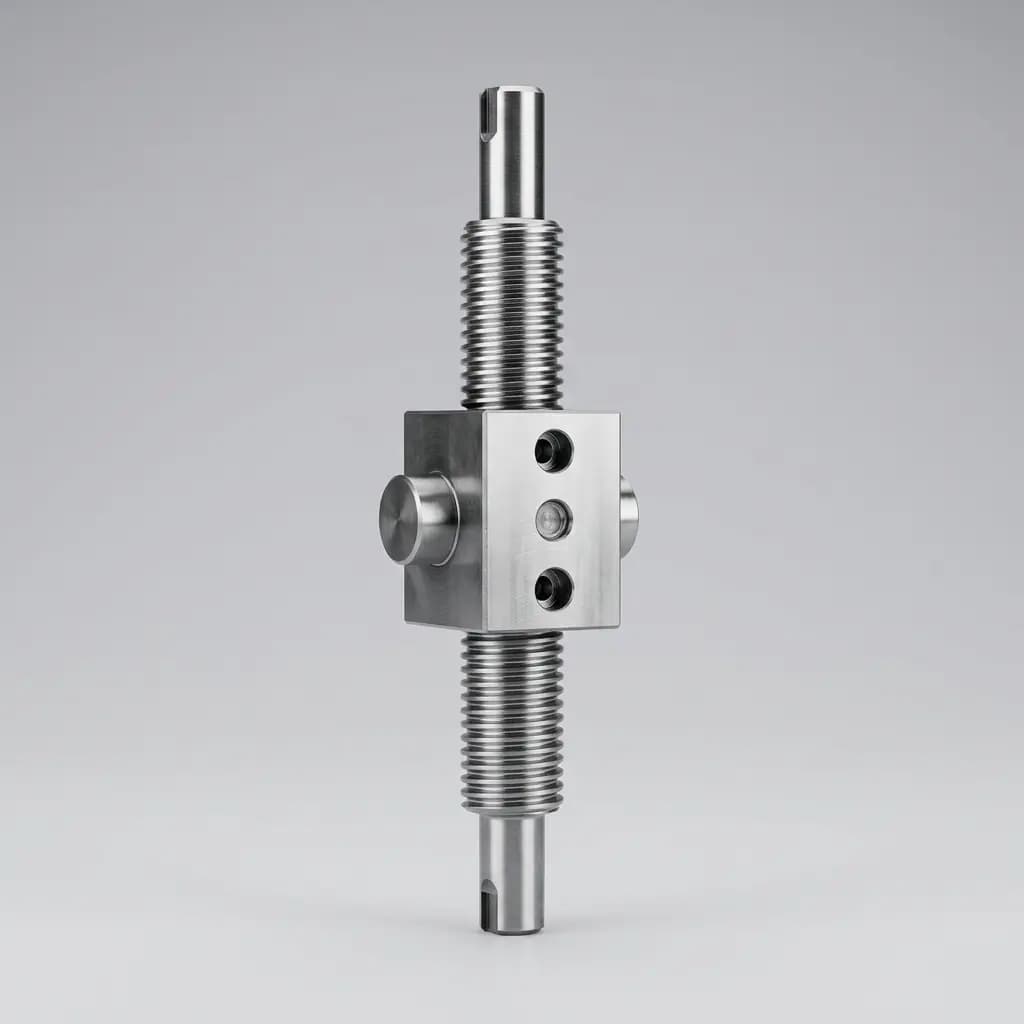
EU Machinery Regulation 2023/1230: Sourcing Secure Actuator Components for 2027
The 6-month countdown to January 20, 2027. Why OEM procurement must shift to Secure-by-Design actuators and how CNC machining ensures compliance with EU 2023/1230.
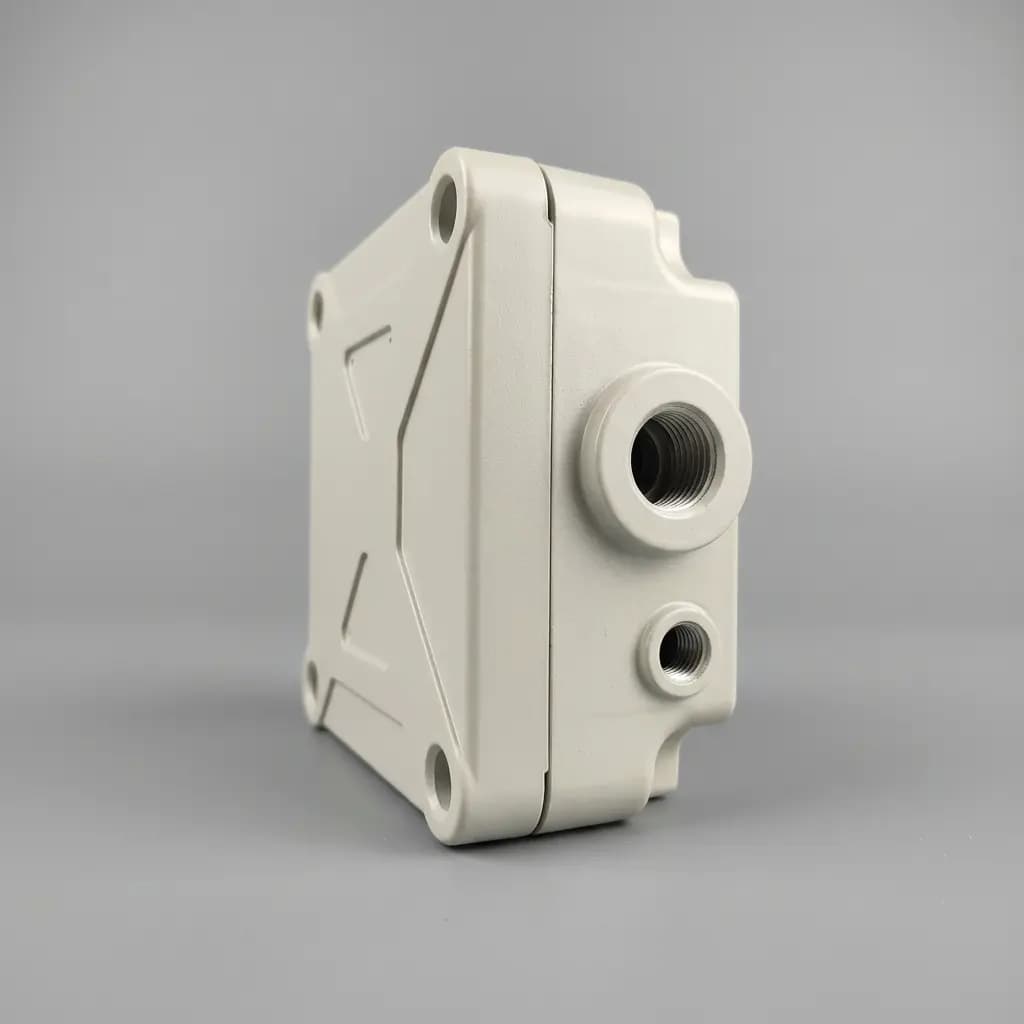
How to Reduce Cost in Custom Actuator Housing Manufacturing (DFM Guide)
Actionable Design for Manufacturing (DFM) tips with quantified cost penalties, CNC tool physics, and volume transition strategies for custom actuator housings.
Actuator Machining EU CBAM 2026 Downstream Risk
Actuator machining buyers: map EU CBAM downstream risk, 2028 exposure, TARIC codes, PCF data, and RFQ clauses before quoting.