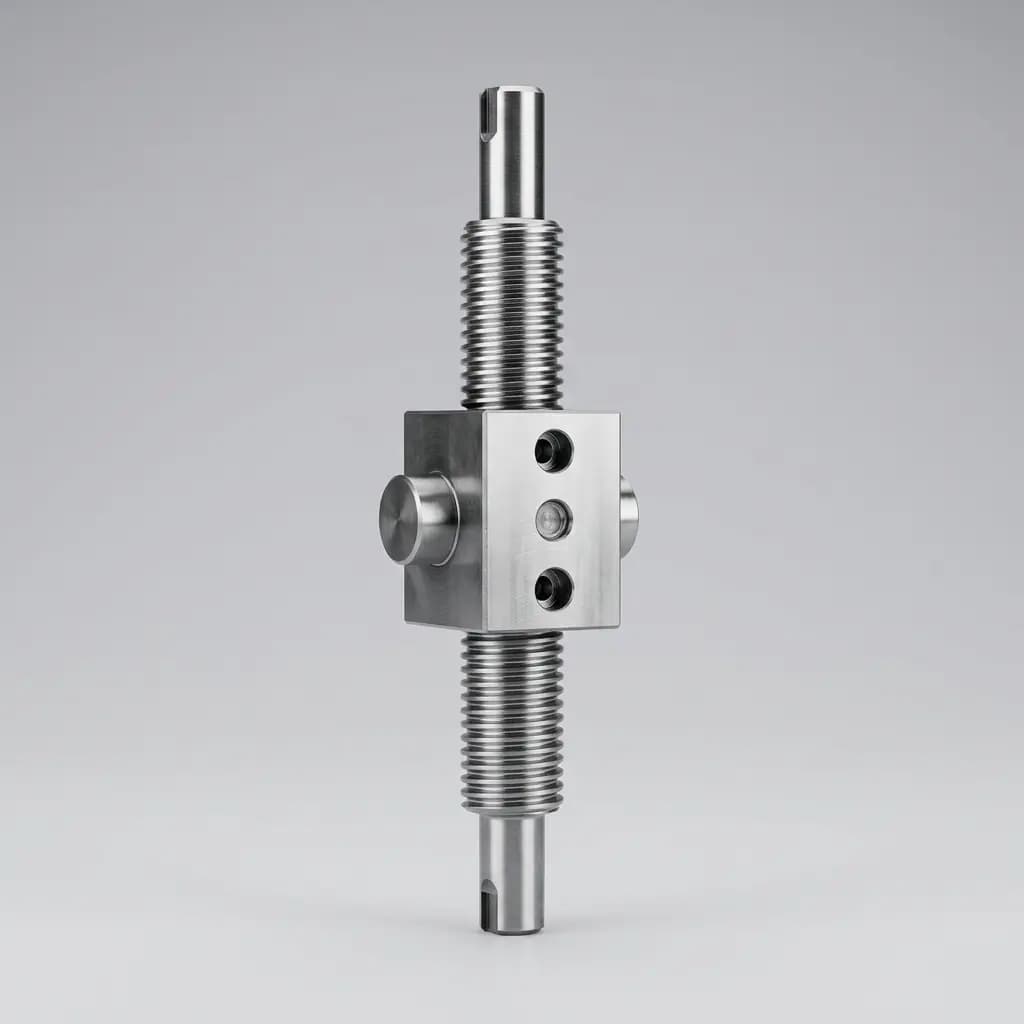
EU Machinery Regulation 2023/1230: Sourcing Secure Actuator Components for 2027
The 6-month countdown to January 20, 2027. Why OEM procurement must shift to Secure-by-Design actuators and how CNC machining ensures compliance with EU 2023/1230.
Decision-Level Conclusion: The EU Machinery Regulation 2023/1230 becomes fully applicable on January 20, 2027, with no transition period. For procurement and engineering teams sourcing smart actuators, compliance is no longer just a software issue. The physical components—specifically the CNC-machined housings and interfaces—must actively prevent physical tampering and unauthorized access to digital control elements to meet the new "Secure-by-Design" mandate.
With less than 6 months until the January 20, 2027 deadline, OEM buyers and importers placing machinery on the European market face a hard cut-off. The outgoing Machinery Directive 2006/42/EC is being replaced by Regulation (EU) 2023/1230. A critical update in the new regulation is its synergy with the Cyber Resilience Act (EU 2024/2847) and industrial standards like IEC 62443-4-1/4-2, meaning physical components must now support digital security.
What Changed: The Shift to Secure-by-Design Actuators
The primary shift affects any actuator with a digital interface, network connection, or electronic control unit. Software encryption is insufficient if the physical casing can be easily breached to access data ports or override physical limits.
| Feature / Requirement | 2006/42/EC (Old Directive) | (EU) 2023/1230 (New Regulation) | Impact on Actuator Machining |
|---|---|---|---|
| Cybersecurity Scope | Not explicitly addressed; focused on physical safety. | Mandatory for machinery with digital elements. | Machined housings must incorporate physical barriers to digital interfaces. |
| Tamper Resistance | General safety against accidental modification. | Explicit protection against intentional corruption and unauthorized access. | Tighter tolerances on enclosures, hidden fasteners, and anti-tamper seals. |
| Software Updates | Not regulated at the component level. | Must support secure updates over the lifecycle. | Physical access ports for diagnostics must be secured by the machined casing. |
| Transition Period | N/A | Hard cutoff: January 20, 2027. | Existing inventory without secure-by-design features cannot be sold in the EU after this date. |
| Supplier Documentation | Standard safety declarations. | Requires threat modeling and cybersecurity risk assessments. | Machining suppliers must provide FAI reports validating anti-tamper features. |
The Role of CNC Machining in Physical Security
For smart actuators, cybersecurity begins at the physical layer. A vulnerable enclosure compromises the most advanced encryption. Precision CNC machining is critical for creating the tight seals, recessed diagnostic ports, and tamper-evident geometries required by (EU) 2023/1230.
When auditing suppliers, ensure their machining capabilities can hold the strict tolerances required to prevent physical tool insertion or environmental ingress that could compromise the actuator's electronics.
Who Should Act Now (Action Checklist)
The January 2027 deadline means components being designed and sourced today will likely fall under the new regulation when they are placed on the market.
| Role | Immediate Action Required (Q3 2026) | Success Metric |
|---|---|---|
| Procurement | Stop ordering legacy "smart" actuators without cybersecurity declarations. | All new POs reference (EU) 2023/1230 compliance requirements. |
| Procurement | Audit current machining suppliers for precision enclosure capabilities. | Suppliers can provide FAI for anti-tamper features. |
| Engineering | Revise drawings to include physical security requirements (e.g., tamper-evident seals, tight gaps). | Drawing specs align with IEC 62443 physical security guidelines. |
| Quality/Inspection | Update First Article Inspection (FAI) templates to include verification of recessed ports. | FAI reports explicitly pass/fail tamper-resistant geometries. |
| Importers | Verify that non-EU manufacturers have designated an authorized representative for the new regulation. | Supply chain retains access to the EU market on Jan 20, 2027. |
Risks and Evidence Gaps in Multivendor Procurement
Sourcing the electronic control unit from one vendor and the machined housing from another creates a significant compliance risk. If the final assembly is easily tampered with because the housing tolerances do not match the electronic port designs, the entire system fails the regulation.
Actuator Procurement Risk Matrix (2026-2027)
| Risk Scenario | Probability | Impact on 2027 Compliance | Recommended Mitigation Strategy |
|---|---|---|---|
| Tolerance Mismatch: Machined housing gaps allow physical access to the diagnostic interface. | High | Critical Failure: Fails Annex III, Section 1.1.9 (Protection against corruption). | Mandate zero-gap tolerances and blind-tapped fasteners in CNC drawings. |
| Split Liability: Electronic supplier blames CNC supplier for physical breach; CNC supplier blames electronics. | High | Compliance Block: Missing unified threat model for the final assembly. | Require joint FAI and physical penetration testing of the assembled unit. |
| Standards Confusion: Relying purely on legacy ISO 12100 instead of IEC 62443. | Medium | Audit Failure: Physical safety proven, but cybersecurity safety ignored. | Update vendor audit checklists to include prEN 50742 and IEC 62443-4-2. |
| Late Cycle Redesign: Discovering physical vulnerability post-production in Q4 2026. | Low | Market Lockout: Missed Jan 20, 2027 cutoff for EU market entry. | Shift-left cybersecurity: Integrate physical security into Q3 2026 prototyping. |
Key Mitigation: Ensure that physical threat modeling encompasses the assembled actuator. Machining vendors should be looped into the cybersecurity requirements early so they understand why certain tolerances or fastener designs are critical, rather than just treating them as arbitrary drawing updates.
Boundaries and Exemptions
It is crucial to define the scope of these requirements to avoid unnecessary costs:
- Out of Scope: Purely mechanical actuators (e.g., standard gearboxes, manual handwheels) or basic pneumatic/hydraulic actuators without electronic sensors or control units do not fall under the cybersecurity provisions of (EU) 2023/1230.
- In Scope: Actuators with integrated IoT sensors, digital positioners, networked motor controls, or wireless diagnostic interfaces. If it has a chip and a connection, the housing must protect it.
Action Thresholds: When Must Buyers Trigger a Redesign?
Not all actuators require an immediate mechanical overhaul. Use the following thresholds to determine if your current actuator sourcing needs intervention before January 2027:
- Threshold 1: Presence of Diagnostic Ports. If the actuator housing exposes an RJ45, USB, or proprietary diagnostic port without a locked, machined cover, a redesign is immediately required to prevent unauthorized physical access.
- Threshold 2: Networked Control (IoT). If the actuator sends telemetry or receives commands over an industrial network (e.g., PROFINET, EtherCAT), the housing must be evaluated for physical intrusion paths that could allow an attacker to bypass the digital encryption.
- Threshold 3: Safety-Critical Function. If the software inside the actuator is classified as a "safety component" (i.e., its failure leads to a hazardous state), the physical housing must meet the stringent anti-tamper requirements of Annex III, Section 1.1.9.
Dual-Regime Overlap: Machinery Regulation vs. Cyber Resilience Act
When sourcing smart actuators, buyers must navigate the overlap between the EU Machinery Regulation (EU 2023/1230) and the Cyber Resilience Act (CRA, EU 2024/2847).
- Machinery Regulation Focus: Emphasizes the safety consequences of a physical or digital breach. If a compromised actuator moves unexpectedly and injures an operator, it's a Machinery Regulation violation.
- CRA Focus: Emphasizes the cybersecurity of the product itself, including secure boot, encryption, and secure updates, regardless of physical safety impact.
Buyers must ensure that machining specifications (which prevent physical tampering) and electronic specifications (which prevent network breaches) are evaluated together under a unified threat model.
FAQs on (EU) 2023/1230 Actuator Compliance
What is the core difference between the old Machinery Directive 2006/42/EC and the new Regulation (EU) 2023/1230 regarding actuators? The new Regulation explicitly includes cybersecurity requirements for products with digital elements. Smart actuators must now demonstrate protection against corruption and physical tampering of their control interfaces.
Does (EU) 2023/1230 apply to purely mechanical or pneumatic actuators? No. Purely mechanical or pneumatic actuators without digital interfaces or electronic control systems are not subject to the new cybersecurity provisions, though they must still meet the base safety requirements of the Regulation.
How do we ask suppliers for proof of physical tamper resistance? Request their threat modeling documentation and verify adherence to IEC 62443. Specifically, ask for the FAI (First Article Inspection) reports on the machined housings to confirm that anti-tamper geometries have been produced to tolerance.
Sources and Further Reading
- Official Regulation Text: Regulation (EU) 2023/1230 of the European Parliament and of the Council on machinery
- Cybersecurity Context: European Cyber Resilience Act (EU 2024/2847)
- CEN/CENELEC Standardization: prEN 50742 Standard for Protection against corruption in machinery
- Industrial Standards: IEC 62443 Series on Industrial Automation and Control Systems Security
- Internal Guide: Dimensional Inspection for OEM Actuator Parts
Author

Categories
More Posts
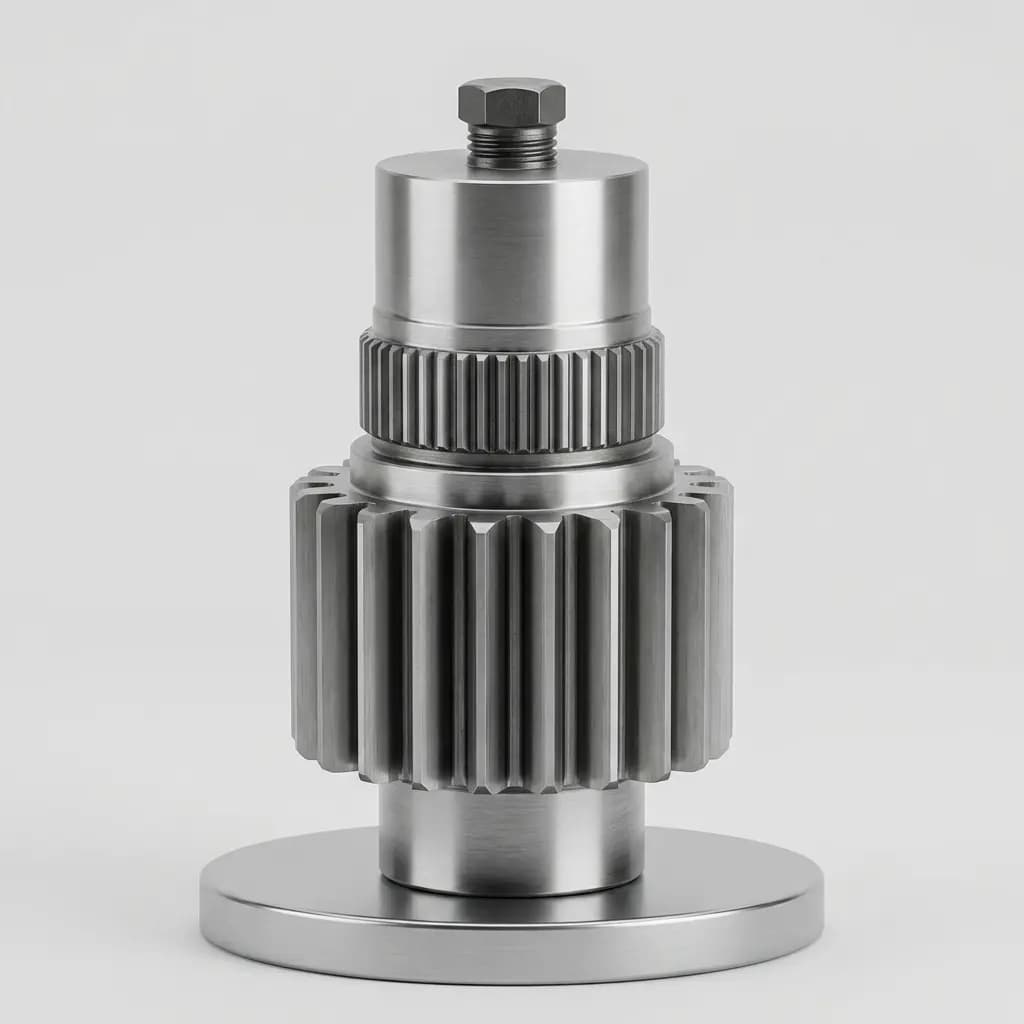
Dimensional Inspection for OEM Actuator Parts: CMM, Profilometers, and First Article Approval
A buyer's guide to First Article Inspection (FAI), CMM measurements, surface roughness (Ra/Rz), and material traceability for outsourced actuator components.
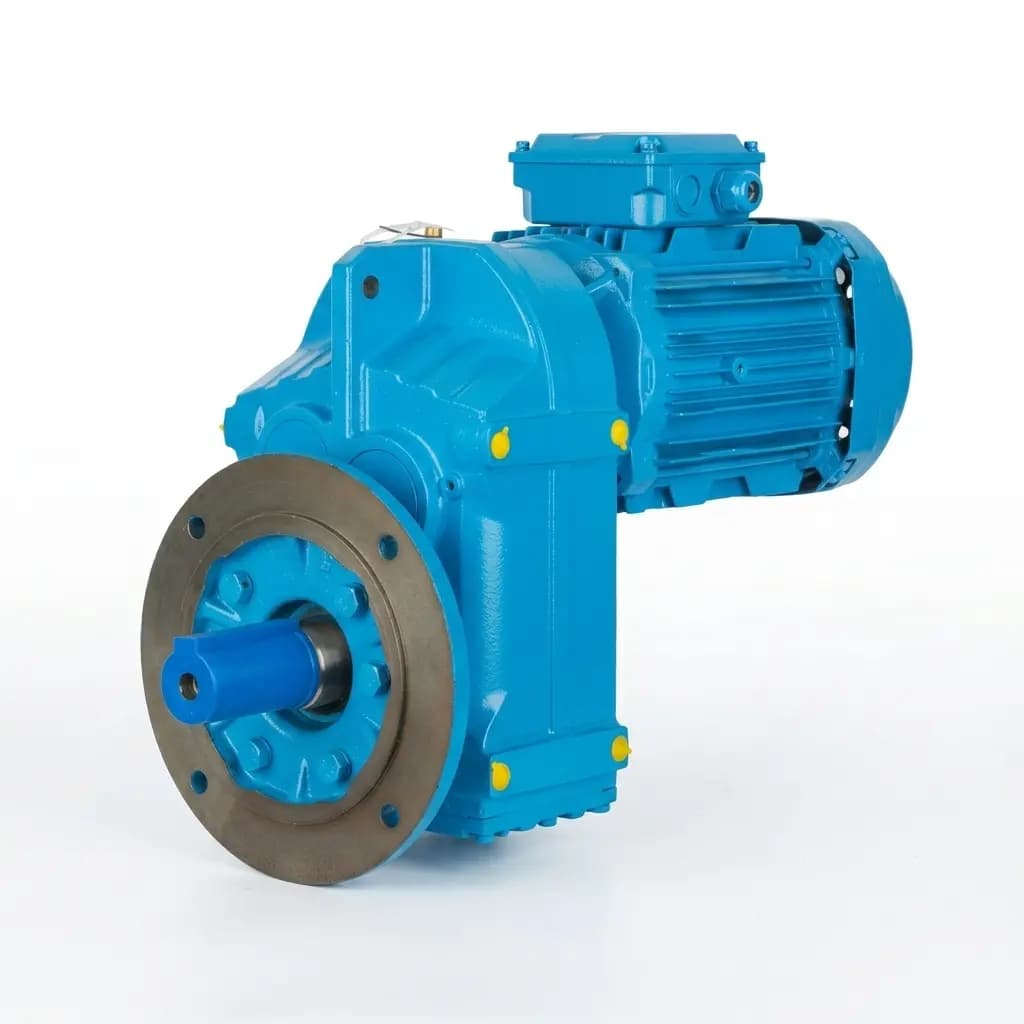
Controlling Backlash in Precision Actuator Gearboxes: DIN/AGMA Standards, Center Distance, and Thermal Drift
How gear quality grades (DIN/AGMA), center distance machining tolerances, and thermal expansion combine to determine actuator positioning accuracy.
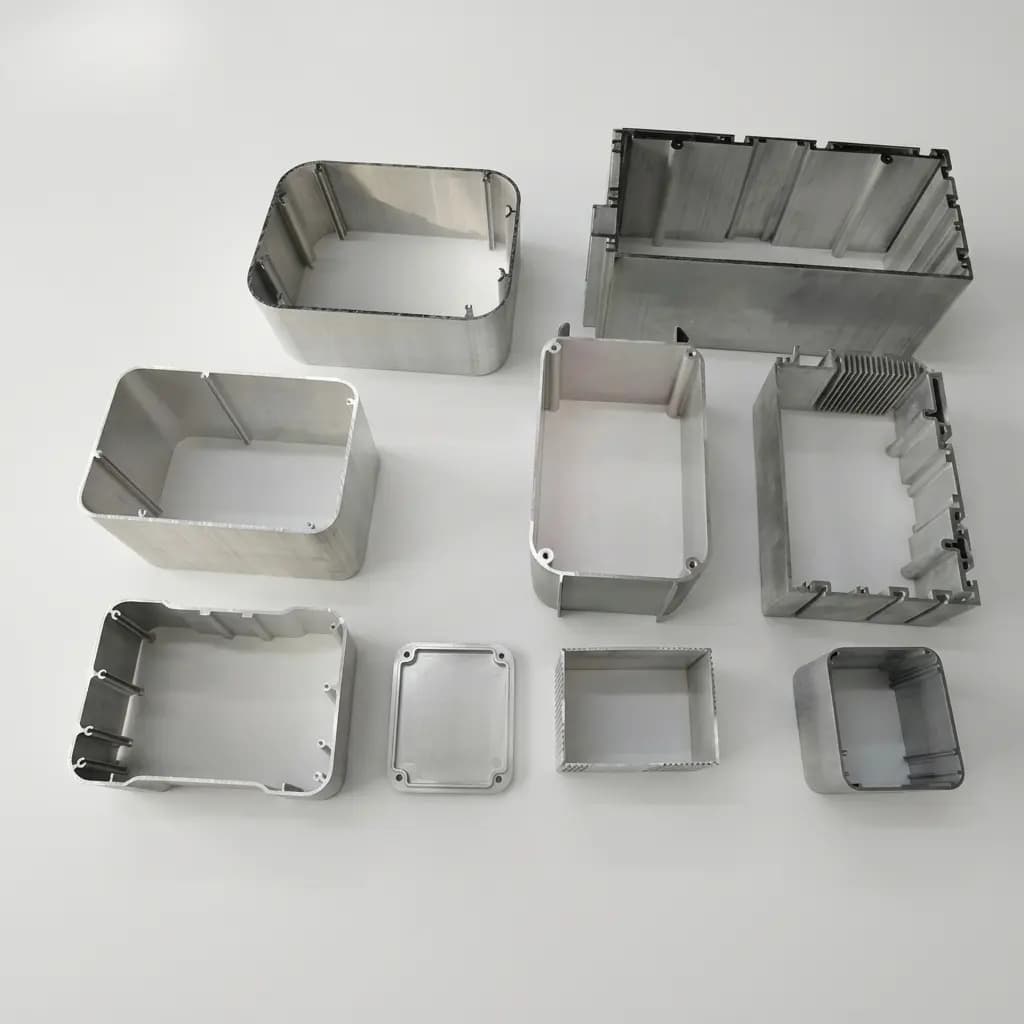
Machining Aerospace Actuator Housings: Titanium vs. Aluminum-Lithium
Compare Titanium and Aluminum-Lithium for aerospace actuator housings. Understand CNC machining challenges, tooling costs, and weight vs. strength tradeoffs for 2026.