Match bracket volume, tolerances, material, and quality-system requirements to the supplier profile you actually need. The calculator gives a first-pass sourcing risk screen; the report below explains the evidence, limits, and RFQ next steps.
Published July 9, 2026. Updated July 9, 2026. Evidence limits and RFQ notes follow the tool.
Start supplier matchThe tool uses conservative sourcing-screen rules. It points to the evidence a buyer should request; it does not replace supplier qualification, drawing review, or engineering approval.
| Input | Screening Use | Limit | Buyer Action |
|---|---|---|---|
| Lot size | < 50 pcs screens as prototype sourcing, 50-2000 pcs as repeat CNC work, and > 2000 pcs as production-control review. | Volume alone cannot price the part because setup count, material stock, finishing, and inspection workload still dominate. | Ask whether the supplier is optimized for fast DFM feedback, repeat batches, or fixture-supported production. |
| Tolerance level | +/-0.05 mm and tighter features trigger datum, CMM, and process-stability review before quote comparison. | The matcher cannot see missing datums, ambiguous general tolerances, or whether tight features are functional. | Send the controlled drawing and request a sample inspection plan for critical holes, faces, and bearing fits. |
| Material category | Aluminum/mild steel keeps material risk lower; stainless, hardened steel, titanium, or exotic alloys narrow supplier fit. | Published material data does not confirm stock availability, temper, certificate, or finish compatibility for a live RFQ. | Request stock form, mill certificate availability, approved alternates, and finishing route before release. |
| Certification requirement | ISO 9001, AS9100, and ISO 13485 are used as quality-system filters for different buyer risk profiles. | A certificate name does not prove the machining site, process scope, article approval, or bracket capability. | Verify certificate scope, expiry, site coverage, inspection deliverables, and traceability obligations. |
These conclusions turn the calculator output into a supplier qualification path. Use them to decide which evidence to request before comparing prices.
A prototype supplier, repeat-production supplier, and regulated supply-chain supplier solve different problems.
Evidence: Use lot size, repeat demand, fixture needs, and inspection workload as the first screen.
Tight hole position, alignment, and flatness requirements shift the decision from price to process control.
Evidence: Screen drawing datums and critical features before treating the bracket as ordinary CNC work.
Quality-system labels help shortlist suppliers, but the certificate scope and site coverage matter.
Evidence: Ask for certificate scope, expiry, inspection deliverables, and process ownership in the RFQ.
The cheapest quote can be the wrong decision when inspection, finishing, packaging, or traceability are excluded.
Evidence: Compare quote scope line by line before selecting a bracket supplier.
A practical path from RFQ package to production release.
Confirm CAD, drawing, material, finish, quantity, inspection, and delivery requirements before comparing prices.
Match tolerance, wall thickness, hole location, material, and finishing needs to proven supplier equipment.
Request representative inspection reports, certificate scope, revision-control process, and article approval plan.
Validate repeat-lot controls, packaging, traceability, capacity, and escalation path before production release.
Decision inputs that are useful for supplier shortlisting, with explicit limits so the page does not overstate what a standard or benchmark can prove.
Treat hole location, bearing fits, datums, flatness, and perpendicularity at this level as supplier-review items rather than commodity CNC work.
Source: ASME Y14.5 GD&T framework and internal RFQ screening, reviewed July 9, 2026Aluminum grade changes strength, machinability, availability, and finishing behavior. Use material data only as a screening input; verify final choice through drawing review and mill certificates.
Source: MakeItFrom aluminum material property pages, reviewed July 9, 2026Match the required quality system to the use case. A certificate narrows risk but does not replace process capability, inspection planning, or article approval.
Source: ISO and SAE quality-system standards pages, reviewed July 9, 2026The report separates what the evidence supports from what still needs project-specific validation.
| Claim | Evidence Basis | Limit | Source |
|---|---|---|---|
| Use GD&T and datums to define bracket acceptance clearly. | ASME Y14.5 is the common reference framework for dimensioning and tolerancing practices. | The standard defines drawing language; it does not certify supplier capability. | ASME Y14.5 |
| Use ISO 9001 as a general supplier quality-management baseline. | ISO 9001 specifies requirements for a quality management system across industries. | It does not automatically prove tight-tolerance machining or bracket load performance. | ISO 9001:2015 |
| Use AS9100 when aerospace supply-chain controls are required. | AS9100 adds aviation, space, and defense quality-management requirements on top of ISO 9001. | The supplier certificate scope and manufacturing site still need verification. | SAE AS9100D |
| Use ISO 13485 for medical-device quality-system expectations. | ISO 13485 defines quality-management requirements for organizations involved with medical devices. | Application fit depends on the device risk class and customer quality agreement. | ISO 13485:2016 |
Different bracket programs require different supplier operating models.
| Scenario | Recommendation |
|---|---|
Prototype / Low Volume (< 50 pcs) Validating designs or custom one-offs. | Prioritize fast drawing feedback, flexible setup, and clear inspection notes over lowest per-part cost. Watch: Setup fees can dominate unit cost. Confirm whether finishing and inspection are included. |
Mid-Volume (100 - 1000 pcs) Scaling a validated industrial bracket. | Use suppliers with stable CNC capacity, repeatable inspection, and documented revision control. Watch: Ask how the supplier handles demand changes, material holds, and drawing revisions. |
High-Volume (> 2000 pcs) Repeat production runs with forecasted demand. | Look for fixture strategy, palletized machining, batch inspection planning, and supply continuity controls. Watch: Initial qualification may take longer because fixturing and measurement plans need approval. |
Aerospace / Medical Brackets Traceability, documented inspection, and regulated supplier controls are required. | Shortlist suppliers by applicable quality-system scope before comparing unit price. Watch: Certification scope, site coverage, and documentation deliverables must be confirmed in the RFQ. |
Avoid common failure modes before requesting bracket quotes.
Unnecessary tight dimensions reduce the supplier pool and increase quoting friction.
Mitigation: Tie tight tolerances to functional interfaces only, then mark non-critical features with broader default tolerances.
Non-standard alloys or tempers can add sourcing delay and may change finishing options.
Mitigation: Ask suppliers to confirm stock form, temper, mill certificate availability, and acceptable alternates.
Ambiguous acceptance rules can create rework, disputes, or rejected parts.
Mitigation: Define datums, critical characteristics, report format, sampling level, and FAI/CMM needs in the RFQ.
A supplier may hold a quality certificate that does not cover the site or process used for the bracket.
Mitigation: Check certificate scope, expiry, issuing body, and whether machining, finishing, and assembly are included.
Prepare these materials to get comparable, actionable quotes from prospective actuator bracket suppliers. Ensure your surface finish requirements are clearly stated.
Inquiry Email
Include drawings, material, finish, tolerances, quantity, and delivery location.
Visual references for actuator bracket and mount geometry that typically drives supplier capability screening.
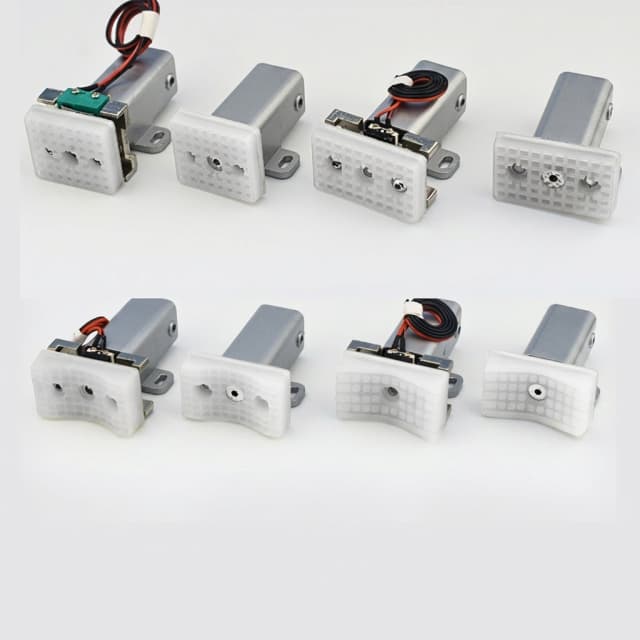
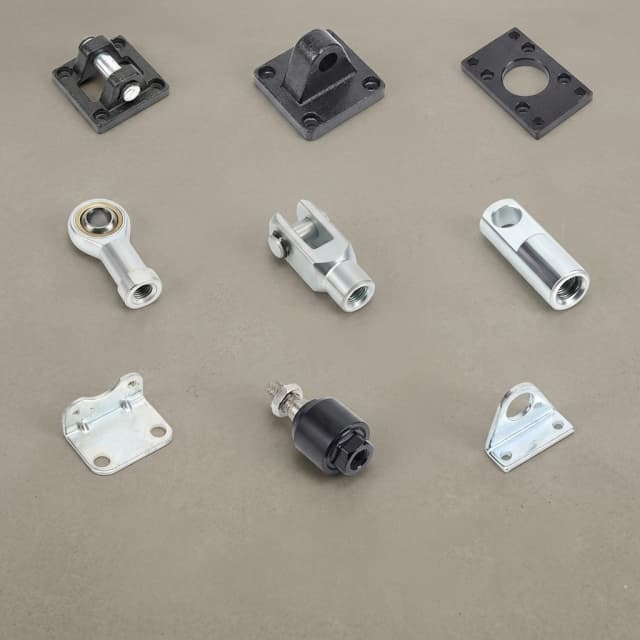
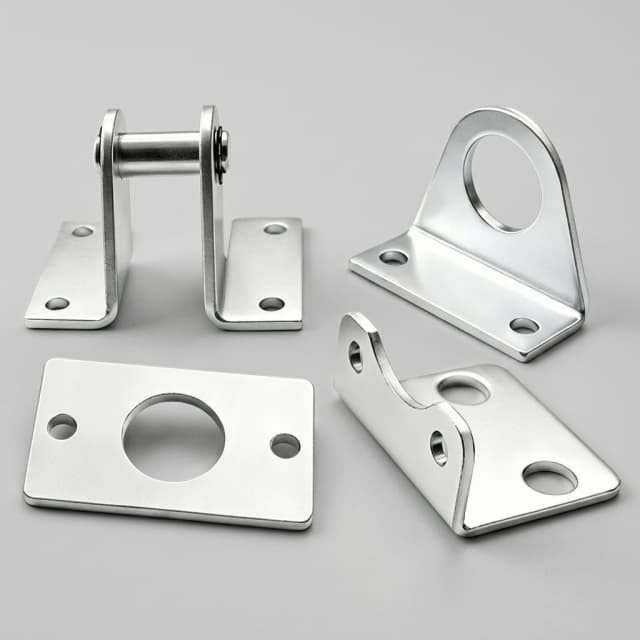
Continue from supplier screening into machining, hole-quality, and bracket capability context.
Evaluate thread machinability risks and check tooling requirements before quoting.
Compare manufacturing process, inspection scope, and RFQ preparation for custom brackets.
Review milling strategy, feature planning, and machining constraints for bracket geometry.
Understand hole-location, tapping, reaming, and inspection issues before supplier selection.
See bracket and mount capability context for actuator assemblies.
Compare larger mounting plates, fixture faces, and base-interface machining needs.
Review hole position, datum, and tolerance decisions before supplier qualification.
Common questions about sourcing actuator brackets and comparing supplier evidence.
A reliable supplier can show repeat work with comparable bracket materials, drawing tolerances, finishes, inspection records, and delivery volumes. Certifications help, but the drawing package and inspection evidence should still be reviewed before production approval.
Certifications indicate the supplier follows documented quality processes. ISO 9001 is a general quality-management baseline. AS9100 is commonly requested for aerospace supply chains, and ISO 13485 applies to medical-device quality systems. The certificate still needs to match the site, scope, and process used for your bracket.
Standard bracket dimensions can usually be handled by broad CNC suppliers. Tight hole location, flatness, perpendicularity, or bearing-fit features require clearer datums, inspection equipment, and process control. Put tight tolerances only on functional features so the supplier pool does not narrow unnecessarily.
Thin walls, deep pockets, many tapped holes, secondary finishing, heat treatment, and full inspection packages all add planning time. A simple milled bracket can be quoted quickly, while a regulated or multi-operation bracket should be treated as a qualification project.
Sometimes. Prototype-focused suppliers are fast and flexible but may not be cost-effective for repeat batches. Production suppliers may need fixtures, inspection plans, and forecast visibility before they can price high-volume work accurately.
Send STEP or IGES files, a controlled 2D drawing, material and finish requirements, annual and release quantities, critical-to-function features, inspection needs, and target delivery timing. Missing datums or finish notes usually delay accurate pricing.
Request first article inspection or CMM reports when bracket position, alignment, load path, or assembly repeatability is critical. For non-critical covers and simple mounts, a lighter inspection plan may be enough if the drawing risk is low.
Compare scope, not only unit price. Check whether each quote includes material certificates, finishing, inspection reports, packaging, revision control, and lead-time assumptions. A low quote that excludes inspection can become expensive after revisions.
Send the drawing, lot size, material, finish, and inspection scope so the supplier review can compare capability instead of only unit price.
Inquiry Email
Include drawings, material, finish, tolerances, quantity, and delivery location.